
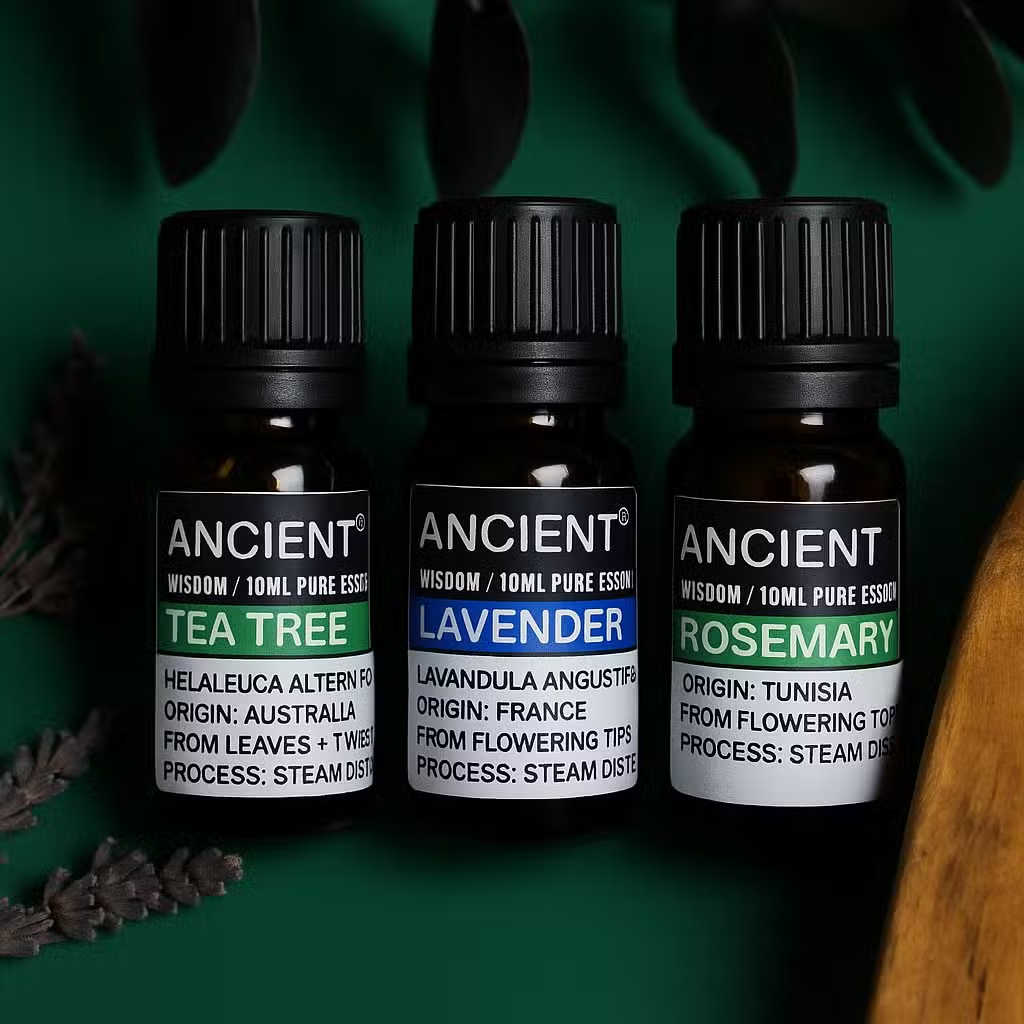
Start with the room, not the bottle
Choosing the right essential oil for your home becomes much easier when you start with the room. Many people begin by asking which oil is “best”, but essential oils do not work that way. The right choice depends on the atmosphere you want, the size of the space, the time of day and the way you plan to use the oil.
An entrance may need something bright and clean. A living room may suit something warm and comfortable. A bedroom usually works better with a softer scent. A study or work area may need something crisp and clear. Once you understand the room, the oil choice feels more natural.
Essential oils are concentrated aromatic extracts from plants. They can be beautiful in diffusers, oil burners and carefully diluted blends, but they should be used thoughtfully. A little usually goes a long way, and not every oil suits every method or every person.
If you are building a home fragrance routine from the beginning, it can help to read the wider Beginner’s Guide to Home Fragrance first, then use this guide to choose the essential oil side of your collection.
Know what essential oils are best at
Essential oils are best when you want a natural botanical scent. They are not the same as fragrance oils, which are created for broad scent variety and aroma performance. Essential oils usually smell closer to the plant source: citrus peel, flowers, herbs, woods, resins, mint or spice.
This makes them ideal for people who prefer a more natural scent profile. A lemon or orange oil can feel clean and bright. Lavender can feel soft and familiar. Peppermint can feel cool. Cedarwood can feel dry and woody. Frankincense-style aromas can feel resinous and atmospheric.
Essential oils can be used in a home because scent changes how a space feels, but it is better to avoid treating them as medical solutions. Choose them for aroma, atmosphere and ritual. If you are comparing product types, see our guide to Essential Oils vs Fragrance Oils.
Choose by scent family
Scent family is often more useful than the individual oil name. Once you know the family you enjoy, buying becomes easier.
Citrus oils such as orange, lemon, grapefruit and bergamot-style aromas feel bright, fresh and cheerful. They suit kitchens, hallways, bathrooms and daytime routines. They are often a good starting point for beginners because the scent is familiar and easy to understand.
Floral oils such as lavender, geranium and rose-style aromas feel softer. They suit bedrooms, quiet corners, dressing areas and calm evening routines. Some florals can feel powdery or sweet, so use them lightly until you know your preference.
Herbal and minty oils such as rosemary, peppermint and eucalyptus-style aromas feel crisp and clear. They often suit work areas, bathrooms and spaces where you want the air to feel fresher. These can feel strong, so start with a small amount.
Woody and resinous oils such as cedarwood, patchouli and frankincense-style scents feel deeper and more atmospheric. They work well in living rooms, reading corners and autumn or winter routines.
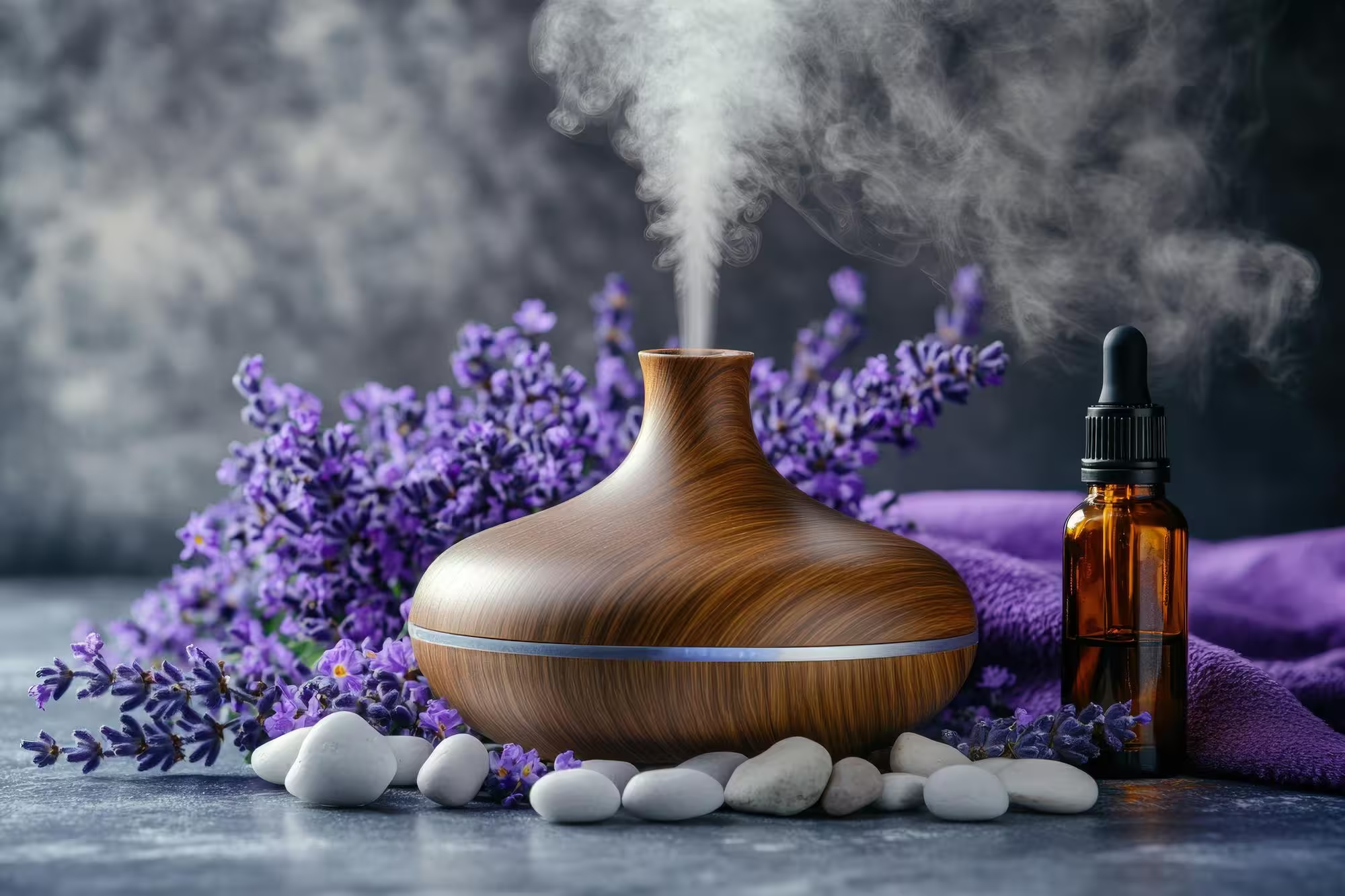
Choosing essential oils room by room
For a hallway or entrance, choose an oil that gives a clean first impression. Citrus, light herbs and gentle florals are usually better than heavy scents here. The goal is to make the home feel open and welcoming.
For a living room, choose oils with a little more depth. Cedarwood, frankincense-style aromas, patchouli-style notes, orange, lavender or soft floral blends can make the space feel warmer and more settled. This is also a good room for a diffuser or oil burner because people usually spend enough time there to enjoy the scent.
For a bedroom, keep the scent soft and light. Lavender, gentle floral notes, mild woods and soft citrus can work well. Avoid making the room too intense. A bedroom should feel restful, but not heavily perfumed.
For a bathroom, choose fresh, clean oils. Citrus, minty, herbal and eucalyptus-style aromas are often popular. Use moderate amounts because smaller bathrooms can become overpowering quickly.
For a kitchen, choose oils that do not clash with food. Lemon, orange, rosemary and other fresh herbal notes often work better than sweet, floral or heavy resinous oils.
For a work area, choose something clean and not distracting. Herbal, minty, citrus and light woody oils can create a more focused scent environment without feeling too decorative.
Match the oil to the method
The method matters as much as the oil. An oil that smells beautiful from the bottle may feel different in a diffuser, oil burner or blend.
Diffusers and atomisers are useful for everyday scent because they spread aroma through the room in a controlled way. Always check the device instructions. Some devices are designed for essential oils, while others have specific limits or cleaning requirements.
Oil burners create a warmer, more traditional scent ritual. They can work well with essential oils when used correctly, but they should never be left unattended. They are usually better for a shorter scent session than for continuous background fragrance.

If you want a scent product mainly for wax melts, candles or strong decorative home fragrance, a fragrance oil may be more practical than an essential oil. Essential oils are excellent for botanical scent, but they are not always the best choice for every creative fragrance project.
Check quality before you buy
A good essential oil page should make the product easy to understand. Look for the plant name, scent family, suggested use and any safety guidance. If the oil is described as ecological, organic or pure, the description should make the sourcing and quality direction clear.
For customers who care about plant origin and sourcing, Ecological Essential Oils are worth comparing. They are especially relevant when you want the scent choice to reflect a broader preference for botanical ingredients and more considered sourcing.
Quality is not only about strength. A very strong oil is not automatically better. A balanced, true-to-character aroma is often more useful in a home than a scent that overwhelms everything around it.
Dilution and safe use
Essential oils are concentrated. This is the most important thing to remember. They should be used with care, even when the scent feels gentle.
If an essential oil is intended for skin or massage use, it normally needs to be diluted in a suitable base oil. Do not apply essential oils directly to the skin unless the product guidance clearly says it is appropriate. Keep oils away from eyes, children and pets, and take extra care around pregnancy, medical conditions or sensitive users.

For room scenting, use good ventilation and start small. If the room smells too strong, use less next time. Essential oils should make a space more enjoyable, not uncomfortable.
A simple starter set
A beginner does not need a large collection. In fact, too many oils can make choosing harder.
A useful starter set could include one citrus oil for freshness, one floral oil for softness, one herbal or minty oil for clarity, and one woody or resinous oil for depth. This gives you enough variety to scent different rooms without creating confusion.
If you prefer not to blend oils yourself, ready-made essential oil blends can be easier. They give you a balanced scent without needing to learn top, middle and base notes immediately.
Once you know which scent families you use most, you can expand slowly. A thoughtful small collection is usually better than a large drawer of oils that never get used.
How to build simple blends without overcomplicating it
Blending essential oils can feel technical, but a beginner only needs a simple approach. Start with two oils rather than five. Pair a fresh citrus with a soft floral, or a woody oil with a gentle citrus. If the blend smells too sharp, add something softer. If it smells too heavy, add something brighter.
A useful way to think about blending is balance. Citrus oils often bring lift. Floral oils bring softness. Herbal and minty oils bring clarity. Woody and resinous oils bring depth. You do not need to master perfume structure to create a pleasant home scent; you only need to notice whether the blend feels fresh, soft, clear or warm.
Keep notes when you find a combination you like. Write down the oils used, the number of drops and the room where you used it. This prevents the common problem of creating a beautiful scent once and never being able to repeat it.
When essential oils are not the best choice
Essential oils are excellent for natural botanical scent, but they are not always the best option. If you want a strong vanilla room fragrance, a fresh linen scent, a sweet bakery aroma or a very specific seasonal fragrance, a fragrance oil may be better. Essential oils are limited by what plants can naturally provide.
For wax melts, candles and decorative scent projects, fragrance oils often give more predictable results. For a plant-led diffuser routine, essential oils are usually the better fit. Knowing this difference helps you buy more intelligently and avoid forcing one product type to do every job.
If you want a broader overview of all fragrance methods, use the home fragrance pillar as your starting point. If you want to compare oils directly, the essential oils vs fragrance oils guide will help you choose the right product type before you buy.
Common mistakes to avoid
The first mistake is using too much oil. More drops do not always create a better result. A lighter fragrance often feels more elegant and comfortable in the home.
The second mistake is buying only by trend. Popular oils are not always the right oils for your space. Choose by room, scent preference and method.
The third mistake is ignoring safety. Essential oils are natural, but they are still concentrated aromatic products. Use dilution, ventilation and storage guidance seriously.
The fourth mistake is expecting one oil to suit every room. A kitchen, bedroom and living room have different needs. Your choices should reflect that.
Final guidance
The best essential oil for your home is the one that fits the room, the scent family you enjoy and the method you plan to use. Start with familiar aromas, use small amounts, and build your collection slowly.
Browse the full Essential Oils & Blends collection when you are ready, or compare broader home scenting options in Aromatherapy & Home Fragrance.
Related home fragrance guides
After choosing essential oils by room, check how you want to use them. The diffusers, atomisers and oil burners guide compares the main methods, while the oil burners guide and base oils guide explain practical everyday use.
Entdecken Sie die gesamte Aromatherapie- und Raumduft-Kollektion.
Frequently asked questions
What essential oil is best for beginners?
Lavender, orange, lemon, peppermint-style and cedarwood-style oils are common beginner choices because their scent profiles are familiar and easy to understand.
Can I use essential oils in an oil burner?
Many essential oils can be used in a suitable oil burner, but always follow the burner and product instructions. Never leave a heated fragrance method unattended.
Do essential oils need to be diluted?
For skin or massage use, essential oils normally need to be diluted in a suitable base oil. For diffusers and burners, follow the device and product instructions.
Which essential oils make a home smell fresh?
Citrus, minty, herbal and eucalyptus-style aromas often make a home feel fresh. Lemon, orange, rosemary and peppermint-style oils are common starting points.
Are essential oils safe around pets?
Use caution around pets. Keep oils out of reach, use good ventilation, avoid strong scent concentration and check pet-specific safety guidance before using essential oils in shared spaces.


