
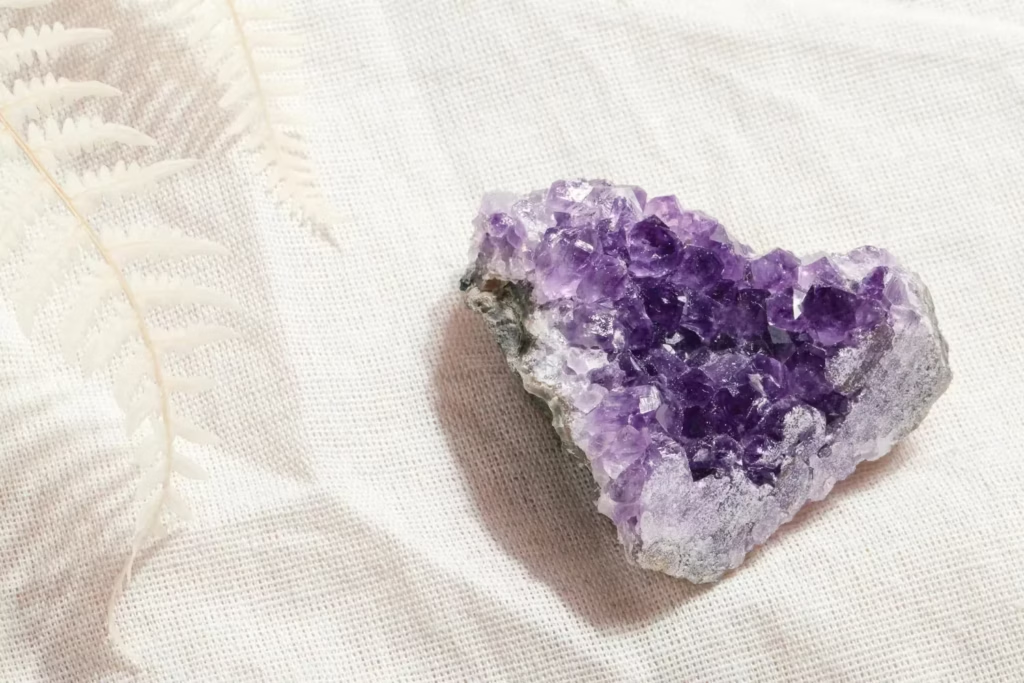
Amethyst Crystal Guide: Colour, Meaning, Uses and How to Choose a Piece
Amethyst is one of the best-known purple crystals and one of the strongest gemstone topics for beginners. It is visually recognisable, gift-friendly, easy to explain, and part of the wider Quartz Family. Its recognisable purple colour also makes it a natural bridge from the broader guide to quartz crystals into a more focused look at one favourite quartz variety.
This guide explains what amethyst is, how its colour varies, what people traditionally associate it with, how it is used in jewellery and home décor, and how to choose a piece that suits your taste. The goal is practical: help customers compare amethyst pieces confidently without relying on exaggerated claims.
What is amethyst?
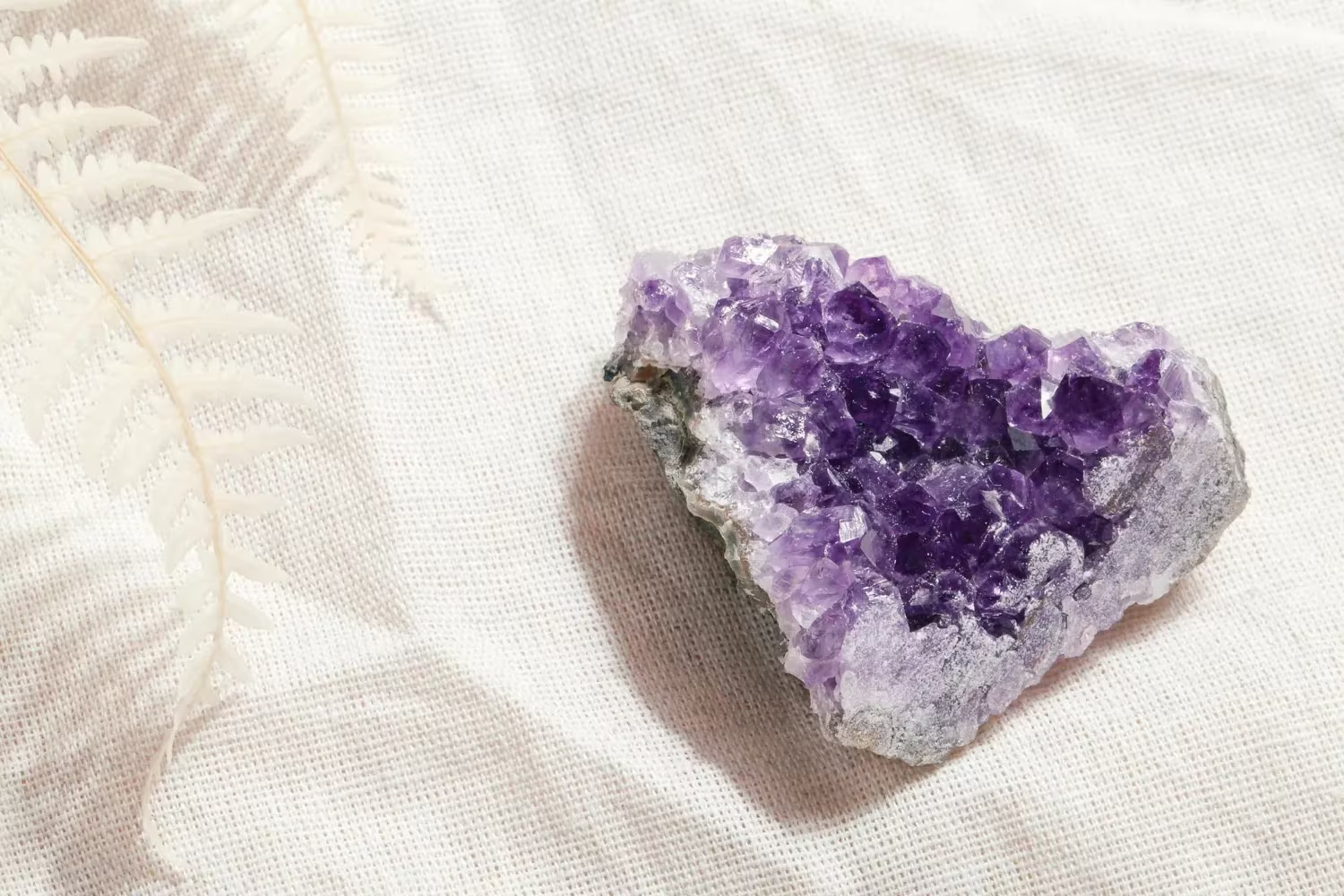
Amethyst is the purple variety of quartz. Like clear quartz, rose quartz, smoky quartz and citrine, it is made from silicon dioxide and belongs to the same mineral family. Its purple colour comes from natural trace elements and geological processes inside the crystal structure.
Because amethyst is quartz, it has a Mohs hardness of 7. That makes it suitable for many types of jewellery, polished stones, decorative pieces and display crystals. It is still possible to chip or scratch a piece through rough handling, but amethyst is generally practical compared with softer minerals.
Amethyst can appear in several forms, including:
- polished tumble stones
- raw clusters
- points and towers
- geodes and druzy pieces
- bracelets and bead jewellery
- pendants and necklaces
- crystal chips in decorative pieces
- gemstone accessories and gift sets.
For many customers, amethyst is the first purple crystal they recognise. That makes it ideal for educational blog content, category pages and internal links from broader gemstone guides.
Why amethyst is popular
Amethyst is popular because it combines strong visual identity with approachable symbolism. The purple colour makes it stand out, but it is not too bright or difficult to style. It can feel classic, spiritual, elegant, decorative or giftable depending on the format.
It also has a strong birthstone connection. Amethyst is widely known as the traditional February birthstone, which gives it natural gift intent. Someone shopping for a February birthday may not know much about gemstones, but they can easily understand why amethyst is relevant.
Amethyst also works across several Aroma Sentia product types. It appears in jewellery, bracelets, pendants, crystal accessories, decorative pieces and items that connect with home rituals. This gives the category more commercial flexibility than a narrow single-product topic.
Amethyst colour: what to look for
Amethyst can range from pale lilac to deep violet. Some pieces are almost lavender, while others show richer purple, bluish-purple, reddish-purple or colour zoning. White quartz areas, transparent sections, natural inclusions and banding can also appear.
Pale lilac amethyst
Pale amethyst has a soft, gentle look. It works well for customers who prefer delicate colour, subtle jewellery or lighter home décor. Pale amethyst may be especially suitable for everyday bracelets, small pendants and gifts for someone who does not usually wear bold colours.
Medium purple amethyst
Medium purple is the most familiar look for many amethyst pieces. It is recognisable, easy to photograph and simple to match with silver, black, white, grey, cream and natural wood. For a first amethyst purchase, medium purple is often the safest visual choice.
Deep violet amethyst
Deep violet amethyst feels richer and more dramatic. It suits statement pieces, decorative displays and customers who want stronger colour. In jewellery, deeper purple can look more formal or evening-friendly, especially when paired with silver-toned settings.
Colour zoning and natural variation
Many amethyst pieces are not perfectly even in colour. You may see lighter and darker zones, cloudy areas, clear windows, internal lines or white quartz sections. These are natural features. Some customers prefer perfectly even colour, while others like visible mineral character.

Amethyst meaning and traditional associations
Amethyst is traditionally associated with calm, reflection, intuition and spiritual awareness. Many people choose it for bedrooms, reading corners, meditation spaces, desk areas or evening routines because the colour and symbolism feel quiet and thoughtful. If you are interested in amethyst as a symbolic ritual object, the pendulums and rune sets guide explains how pendulums and rune stones are chosen.
It is important to keep these associations in the right context. Amethyst belongs in symbolic, decorative and personal-routine language rather than health-result language. A safer and more accurate approach is to say that people often choose amethyst as a symbolic reminder of calm, clarity or reflection.
Common traditional associations include:
- calm and quiet routines
- spiritual reflection
- intuition and inner awareness
- evening atmosphere
- thoughtful gifts
- February birthdays
- purple colour symbolism
- personal focus and intention.
This wording keeps the article useful for customers while avoiding unrealistic promises.
Amethyst and the February birthstone connection
Amethyst is widely recognised as the birthstone for February. This gives the stone strong seasonal and gift potential. A customer shopping for a February birthday may choose an amethyst bracelet, pendant, necklace, tumble stone or decorative piece because it feels personal without needing a complicated explanation.
For gift content, the birthstone angle is one of the safest and most commercially useful ways to discuss amethyst. It is factual, simple and easy to connect with product recommendations.
Good February birthstone gift ideas include:
- amethyst bracelets for everyday wear
- amethyst pendants for a simple personal gift
- amethyst tumble stones for beginners
- amethyst tree or chip jewellery for symbolic gifts
- amethyst paired with candles or home fragrance
- amethyst and rose quartz combinations for friendship gifts.
If you are choosing for someone else, start with the format they will actually use. Jewellery is best for someone who likes wearable pieces. A polished stone or cluster is better for someone who enjoys home décor or crystal displays.
How people use amethyst at home
Amethyst is easy to style because purple works in both light and dark interiors. It can sit quietly on a shelf or act as a small focal point depending on the piece.
Bedrooms and bedside tables
Amethyst is commonly chosen for bedrooms because of its traditional association with calm and evening routines. A small polished stone, cluster or jewellery tray accent can make a bedside table feel more intentional. Pair it with soft textiles, warm light, lavender tones or simple ceramic pieces for a quiet look.
Desks and workspaces
Amethyst can also work on a desk, especially if the customer wants a subtle visual reminder to pause, focus or keep the workspace calm. A small point, polished stone or bracelet tray can add personality without taking up much room.
Reading corners and quiet spaces
In reading corners, amethyst pairs well with candles, books, incense holders, diffusers and natural textures. It gives the area a gentle decorative theme without needing a large crystal display.
Shelves and display trays
Amethyst looks strong beside clear quartz, rose quartz, smoky quartz and citrine. These stones create a simple quartz-family display: clear, pink, purple, smoky and golden. This also reinforces the educational journey from the broader quartz guide into individual stone guides.
Amethyst jewellery and accessories
Amethyst jewellery is one of the most practical ways to choose the stone. It lets customers enjoy the colour every day without needing a larger decorative piece. Aroma Sentia’s Amethyst category includes bracelets, pendants, necklaces and gemstone accessories, so this article should support both informational and shopping intent.
Amethyst bracelets
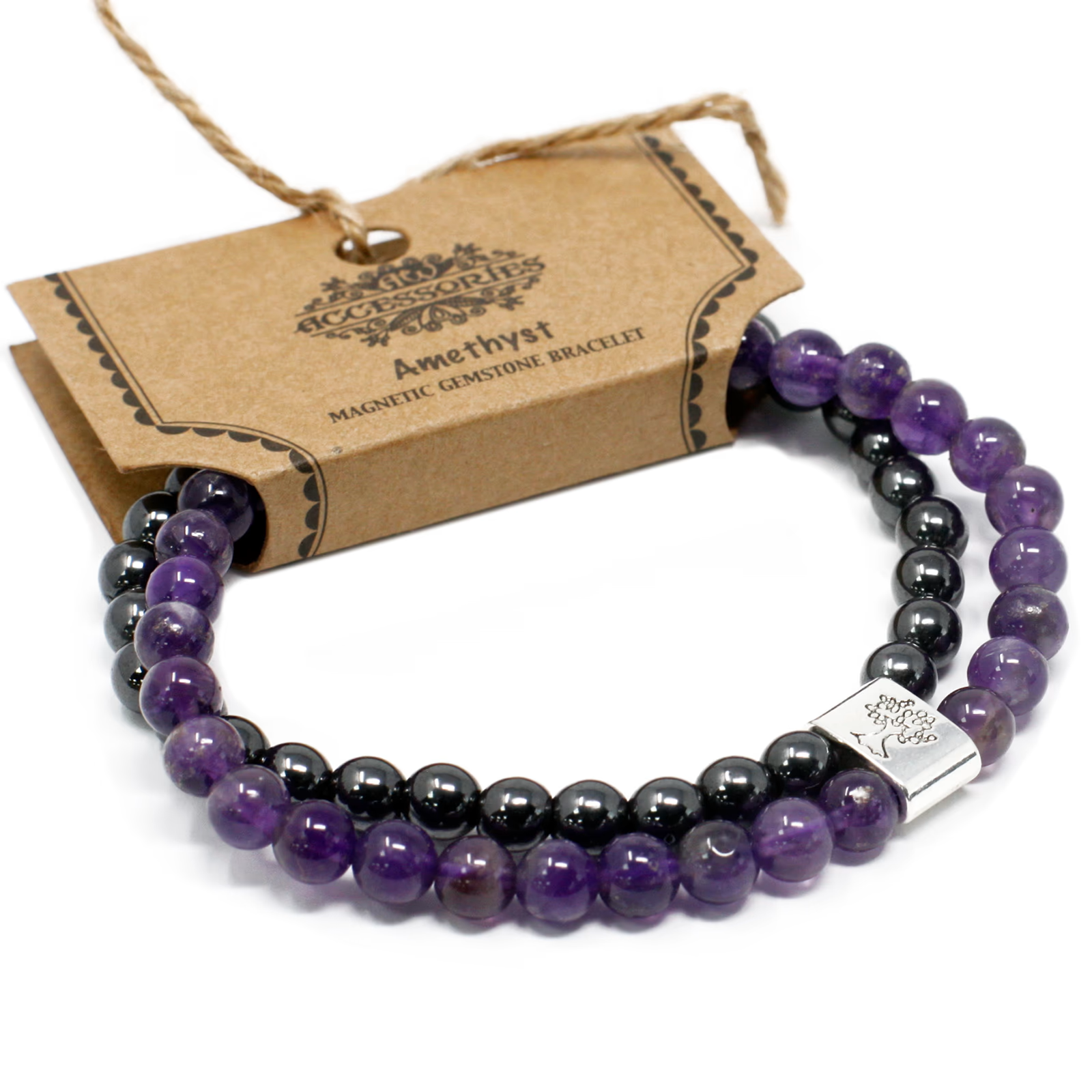
Bracelets are easy to wear and easy to gift. Beaded amethyst bracelets can feel casual, spiritual, decorative or symbolic depending on the design. They are useful for customers who want a visible gemstone without committing to a larger necklace or pendant.
When choosing an amethyst bracelet, look at:
- bead colour and consistency
- bracelet size and fit
- whether the style is casual or decorative
- whether other stones or materials are included
- how often the recipient is likely to wear purple.
Amethyst pendants
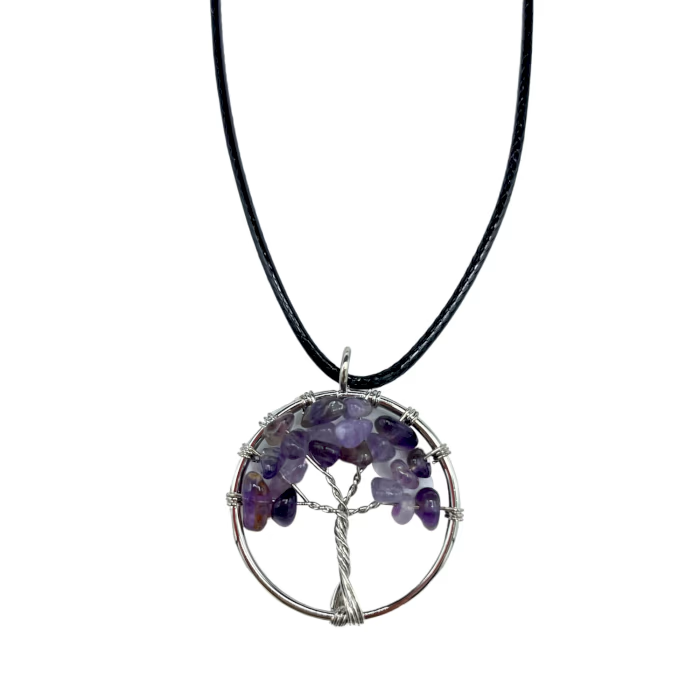
Pendants are a strong choice for gifts because they feel personal but not overly complicated. A Tree of Life pendant, point pendant or chip pendant can combine the purple colour of amethyst with an additional symbolic design.
Amethyst necklaces
Necklaces can be more statement-led than bracelets. A longstone amethyst necklace or wrapped gemstone necklace may suit customers who want the stone to be more visible. For gifting, necklaces work best when you know the recipient already wears similar jewellery.

How to choose an amethyst piece
The best amethyst piece depends on the customer’s purpose. Someone buying for themselves may choose by colour and personal attraction. Someone buying a gift should think first about format and lifestyle.
Choose by colour
If you want something subtle, choose pale or medium purple. If you want impact, choose deeper violet. If you like natural character, choose pieces with zoning, inclusions or white quartz areas.
Choose by format
Choose a tumble stone for a simple beginner piece. Choose a bracelet for everyday wear. Choose a pendant or necklace for a more personal gift. Choose a cluster or raw piece for home display. Choose a product that combines amethyst with wood, metal, fragrance or other stones if the recipient enjoys layered symbolism.
Choose by setting
For home décor, ask where the piece will sit. Bedrooms, shelves and desks can handle small pieces. Living rooms and entryways may need a larger display item. For jewellery, ask whether the recipient prefers silver tones, black cord, beaded styles or more decorative pendants.
Choose by gift intent
For a February birthday, amethyst is a natural choice. For friendship gifts, amethyst can pair with rose quartz. For someone who likes purple, any amethyst format can work. For someone who prefers subtle colours, a smaller bracelet or pale amethyst piece may be safer than a large deep-violet pendant.
Amethyst compared with other quartz stones
Amethyst is part of the quartz family, but it fills a different role from the other popular varieties.
Amethyst vs clear quartz
Clear quartz is neutral, bright and minimal. Amethyst is more colourful and symbolic. Choose clear quartz for a clean universal stone; choose amethyst when purple colour or February birthstone meaning matters.
Amethyst vs rose quartz
Rose quartz is soft, pink and gift-friendly in a gentle way. Amethyst is richer, more spiritual in traditional symbolism and better for customers who like purple. The two stones work well together in friendship gifts and jewellery sets.
Amethyst vs smoky quartz
Smoky quartz is darker, earthy and more neutral. Amethyst is more colourful and recognisable. Choose smoky quartz for understated interiors; choose amethyst for decorative colour and birthstone appeal.
Amethyst vs citrine
Citrine is warm, yellow and sunny. Amethyst is cool, purple and reflective. They can work together visually because purple and gold create strong contrast, but they send a different styling message.
Amethyst care and cleaning
Amethyst is durable, but it still needs sensible care. Avoid dropping points, pendants or cluster pieces onto hard surfaces. Do not use harsh chemicals or abrasive cleaners. For most polished amethyst, a soft dry cloth or slightly damp cloth is enough for routine cleaning.
Care tips:
- keep jewellery away from perfume, lotion and household cleaners
- remove bracelets before heavy work, swimming or showering
- dust raw clusters gently because small points can chip
- store pendants separately to avoid scratching
- avoid long exposure to strong direct sunlight, as colour may fade over time
- check individual product guidance before using water, oils or cleaning products.
For customers, the most important point is simple: treat amethyst as a natural gemstone, not as an indestructible object.
Common mistakes when buying amethyst
Choosing only by meaning
Meaning can be useful, but the customer still has to like the piece. Colour, size, format and wearability matter more for long-term satisfaction.
Ignoring size
A product may look larger or smaller in photos than expected. Check dimensions where available, especially for pendants, bracelets and display pieces.
Buying jewellery without considering style
If someone does not wear necklaces, an amethyst necklace may not be the best gift even if they like the stone. A bracelet, tumble stone or decorative piece may be safer.
Expecting perfect colour
Natural amethyst often varies. Zoning, pale areas, inclusions and white quartz sections can be part of its character. If even colour matters, choose polished pieces with consistent appearance.
Using exaggerated expectations
Amethyst is best approached as a beautiful purple quartz with meaningful traditions. It can support a personal routine or visual atmosphere, but it should not be framed around health, sleep or emotional outcomes.
Best amethyst gift ideas
Amethyst is one of the easiest gemstones to give because the colour and February birthstone connection are easy to understand.
Good amethyst gift ideas include:
- February birthday: amethyst pendant, bracelet or necklace
- Beginner crystal gift: tumble stone or small polished piece
- Jewellery gift: bracelet for daily wear, pendant for personal symbolism
- Home décor gift: cluster, point or decorative display piece
- Friendship gift: amethyst with rose quartz
- Quiet evening gift set: amethyst with candle, incense or home fragrance, with the gemstone candles guide for choosing a candle-led version
- Purple-themed gift: amethyst jewellery plus matching packaging or accessories.
Explore Aroma Sentia’s amethyst collection
Aroma Sentia’s Amethyst category includes jewellery, gemstone accessories and crystal-inspired pieces for customers who want purple colour, February birthstone symbolism or a thoughtful gift. If you are new to the wider category, start with the published guide to gemstones, crystals and minerals for the home, then compare amethyst with other quartz stones in the Quartz Crystals Explained guide.
If you prefer small polished stones, compare options in Tumble Stones and read the guide to choosing tumble stones. If you want wearable amethyst pieces, browse Gemstone Jewelry & Accessories and use the gemstone jewellery guide to compare bracelets, pendants and necklaces.
For birthday presents and purple crystal gifts, the crystal gifts guide places amethyst alongside jewellery, candles, tumble stones and other thoughtful formats.
FAQ
What is amethyst?
Amethyst is the purple variety of quartz. It belongs to the same mineral family as clear quartz, rose quartz, smoky quartz and citrine, and is valued for its violet colour, durability and gift-friendly symbolism.
What colour should good amethyst be?
Amethyst can range from pale lilac to deep violet. The best colour depends on personal taste. Some customers prefer soft lavender tones, while others prefer rich purple or natural colour zoning.
What is amethyst traditionally associated with?
Amethyst is traditionally associated with calm, reflection, intuition and spiritual awareness. These are symbolic associations and should be treated as tradition and personal preference, not health-result claims.
Is amethyst a good gift?
Yes, amethyst is a strong gift choice because it is the traditional February birthstone and has a recognisable purple colour. Bracelets, pendants, necklaces and small polished stones are especially gift-friendly formats.
Is amethyst part of the quartz family?
Yes. Amethyst is a purple variety of quartz. It shares the same basic mineral family as clear quartz, rose quartz, smoky quartz and citrine.
Where should I place amethyst at home?
Amethyst is commonly styled on bedside tables, desks, shelves, reading corners and display trays. Choose the placement based on the size and format of the piece, and avoid long exposure to strong direct sunlight.
How do I care for amethyst jewellery?
Keep amethyst jewellery away from perfume, lotion, harsh chemicals and heavy impact. Wipe it gently with a soft cloth and store it separately from harder or sharper items that could scratch the setting or surface.


