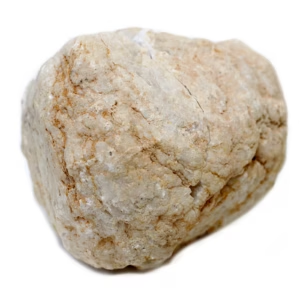
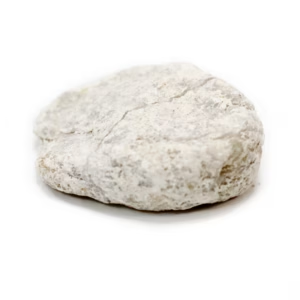
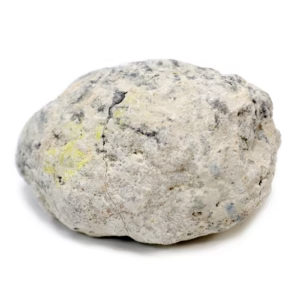
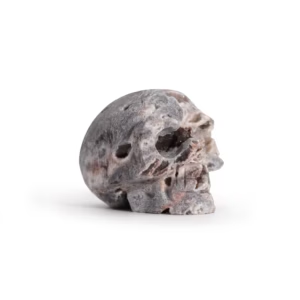
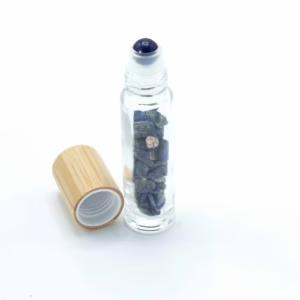
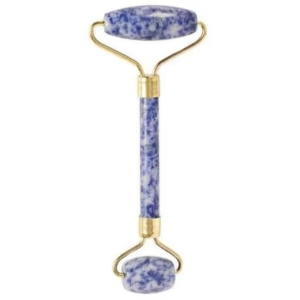
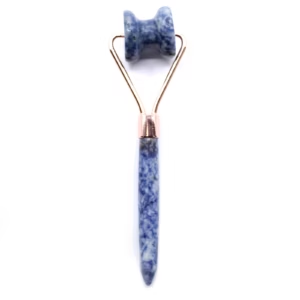
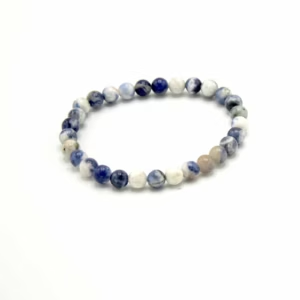
Explore our fascinating collection of carbonate minerals, a cornerstone of the geological world and a beautiful addition to any crystal collection. This category offers a diverse range of specimens for collectors, artisans, and those interested in the natural wonders of our planet’s crust.
Natural Elegance with Genuine Carbonates
The carbonates group represents one of the most aesthetically diverse and geologically significant classifications within the gemstones and minerals kingdom. This category is defined by the presence of the carbonate ion, which creates a structural foundation for some of the most vibrant and sought-after minerals in the world. From the deep, striking greens of malachite to the soft, ethereal pinks of rhodochrosite and the crystal clarity of Iceland spar calcite, these minerals offer a sensory experience that combines visual beauty with a unique tactile presence. Unlike silicate minerals, carbonates are generally softer on the Mohs scale, making them feel more delicate and accessible to the touch. Their quality is often determined by their crystal habit—the natural shape they take—and the purity of their color, which arises from various metal cations like copper, iron, or manganese.
For the home and wellness enthusiast, these minerals provide a sophisticated way to introduce the grounding energy of the earth into your living space. Usage occasions range from display in a curated cabinet to use in focused meditation or as unique ornamental pieces that spark conversation. Because of their chemical reactivity and characteristic softness, they are ideal for environments where they can be appreciated visually rather than as high-wear jewelry. When choosing the right carbonate, consider the atmosphere you wish to create; the cooling blues of azurite can bring a sense of calm to an office, while the warm, honey-toned calcites can make a living area feel more inviting. Our collection prioritizes authentic, high-quality specimens that showcase the natural rhombohedral cleavage and varied luster that make this mineral class so distinctive and beloved by enthusiasts worldwide.
- Striking visual variety featuring iconic minerals like malachite, azurite, and calcite for diverse aesthetic appeal.
- Characteristic soft texture and unique rhombohedral crystal structures that define the carbonate mineral class.
- Natural grounding elements that serve as beautiful focal points for home decor and personal wellness spaces.
- Authentic geological specimens that provide a direct connection to Earth’s sedimentary and metamorphic history.
Which carbonate mineral draws your eye?
| Mineral |
Character |
Best for |
| Malachite and azurite |
Deep greens and blues |
Vibrant, saturated colour display |
| Calcite and aragonite |
Geometric, light-refracting form |
Intricate crystal growth intrigue |
| Polished palm stone |
Smooth and interactive |
Close-up appreciation |
| Raw cluster or cave |
Dramatic natural form |
A striking bookshelf statement |
How to Choose from This Category
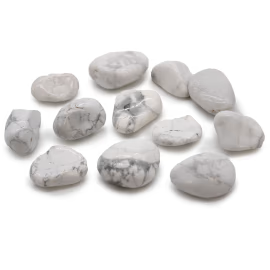
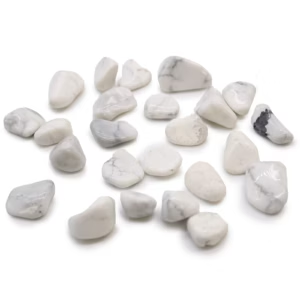
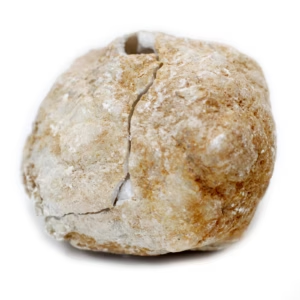
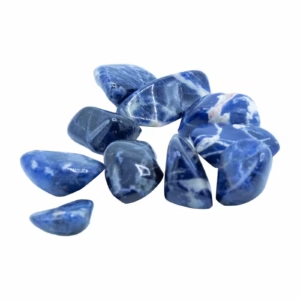
Selecting a carbonate mineral depends largely on your aesthetic preference and how you intend to display the piece. If you are drawn to vibrant, saturated colors, copper-based carbonates like malachite or azurite are excellent choices, offering deep greens and blues that stand out in any collection. For those who appreciate the intricacies of crystal growth, looking for specimens of calcite or aragonite can reveal stunning geometric patterns and light-refracting properties. Consider the setting where the mineral will reside; smaller, polished “palm stones” or tumbled pieces are perfect for closer interaction, while larger, raw clusters or “caves” make impressive statement pieces on bookshelves or mantels. Because these minerals are softer than many other stones, they are best suited for indoor display where they won’t be subjected to harsh chemicals or abrasive surfaces, ensuring their natural luster remains vibrant for years to come.
- Decide whether you want vibrant colour or intricate crystal geometry in your chosen piece.
- Choose malachite or azurite when you want deep, saturated greens and blues that stand out.
- Select calcite or aragonite when you appreciate striking geometric, light-refracting growth patterns.
- Pick polished palm stones for close interaction, or choose raw clusters for dramatic display.
- Keep these softer carbonate minerals indoors and away from harsh chemicals and abrasive surfaces.
Frequently Asked Questions
What exactly are carbonate minerals?
Carbonate minerals are a group of minerals that contain the carbonate ion (CO3) combined with metal elements. They are common in the Earth’s crust and include well-known varieties such as calcite, dolomite, and aragonite, often forming the primary components of rocks like limestone and marble.
How should I clean and care for my carbonate specimens?
Because carbonates are chemically reactive to acids and are relatively soft, they should be cleaned gently. Use a soft, dry cloth or a brush to remove dust. Avoid using household cleaners, vinegar, or acidic solutions, as these can damage the surface or cause the mineral to effervesce and dissolve.
Are these stones suitable for everyday jewelry?
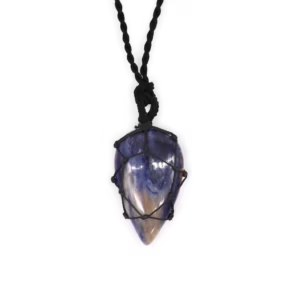
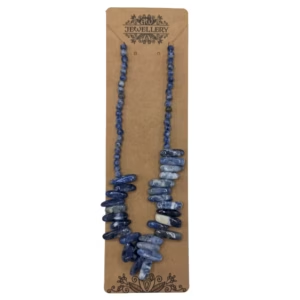
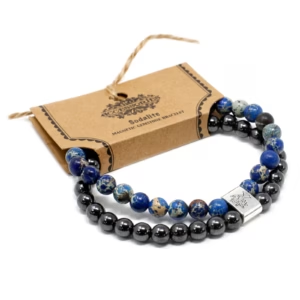
While some carbonates like rhodochrosite or malachite are used in jewelry, they are generally softer (around 3.5 to 4 on the Mohs scale) than stones like quartz or sapphire. They are best suited for pendants or earrings rather than rings, which are more prone to being scratched or knocked during daily wear.
Why does my mineral feel different from a quartz crystal?
Carbonates have a different chemical bond and crystal structure than silicates like quartz. They often feel slightly warmer or “softer” to the touch and have a different luster—sometimes pearly or vitreous—which distinguishes them from the glassier, harder feel of silicates.
Can I place these minerals in my garden or a water feature?
It is not recommended to place carbonate minerals in water features or outdoors. Many carbonates are slightly soluble in water, especially if the water is even mildly acidic (like rainwater). Over time, the stone may lose its polish, change color, or even begin to break down.