
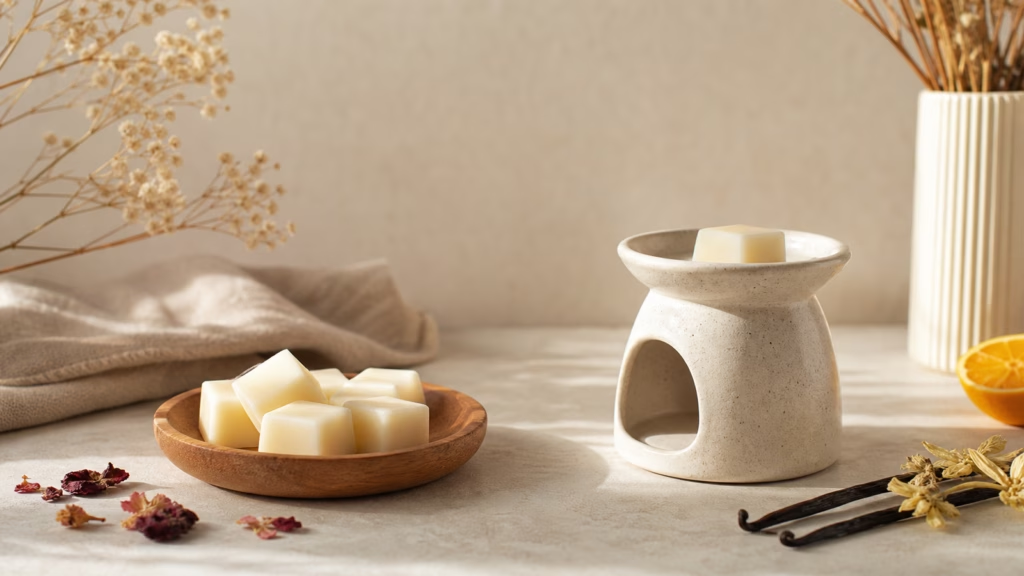
A simple way to bring scent into a room
Soy wax melts are one of the easiest ways to make a room feel more finished. They do not ask you to measure drops of oil, trim a wick or commit to one large candle. You place a small amount of scented wax into a suitable warmer, allow it to melt gently, and let the fragrance sit in the room as part of your everyday atmosphere.
That simplicity is why wax melts work so well for beginners. If you are still learning what kind of home fragrance you like, wax melts let you try fresh, floral, fruity, woody, spicy or sweet scent styles without building a large oil collection straight away. They also suit people who enjoy changing scent with the season, the room or the mood of the day.
At Aroma Sentia, the Soy Wax Melts category includes jars, boxes and gift sets in a wide range of scent profiles. This guide explains how to use them, how to choose scents, how to manage strength, and how wax melts fit beside fragrance oils, reed diffusers, oil burners and everyday home scents.
What soy wax melts are
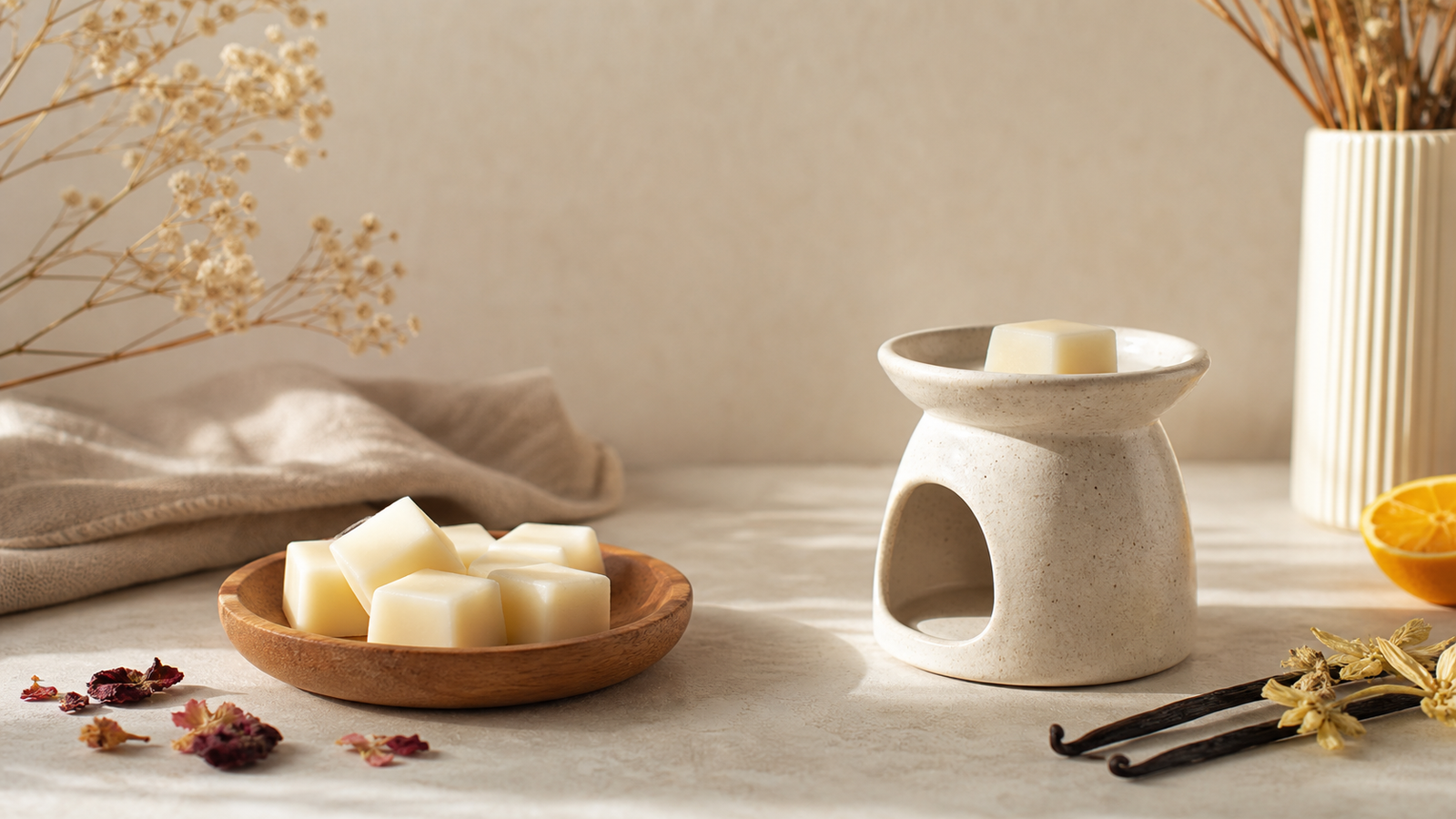
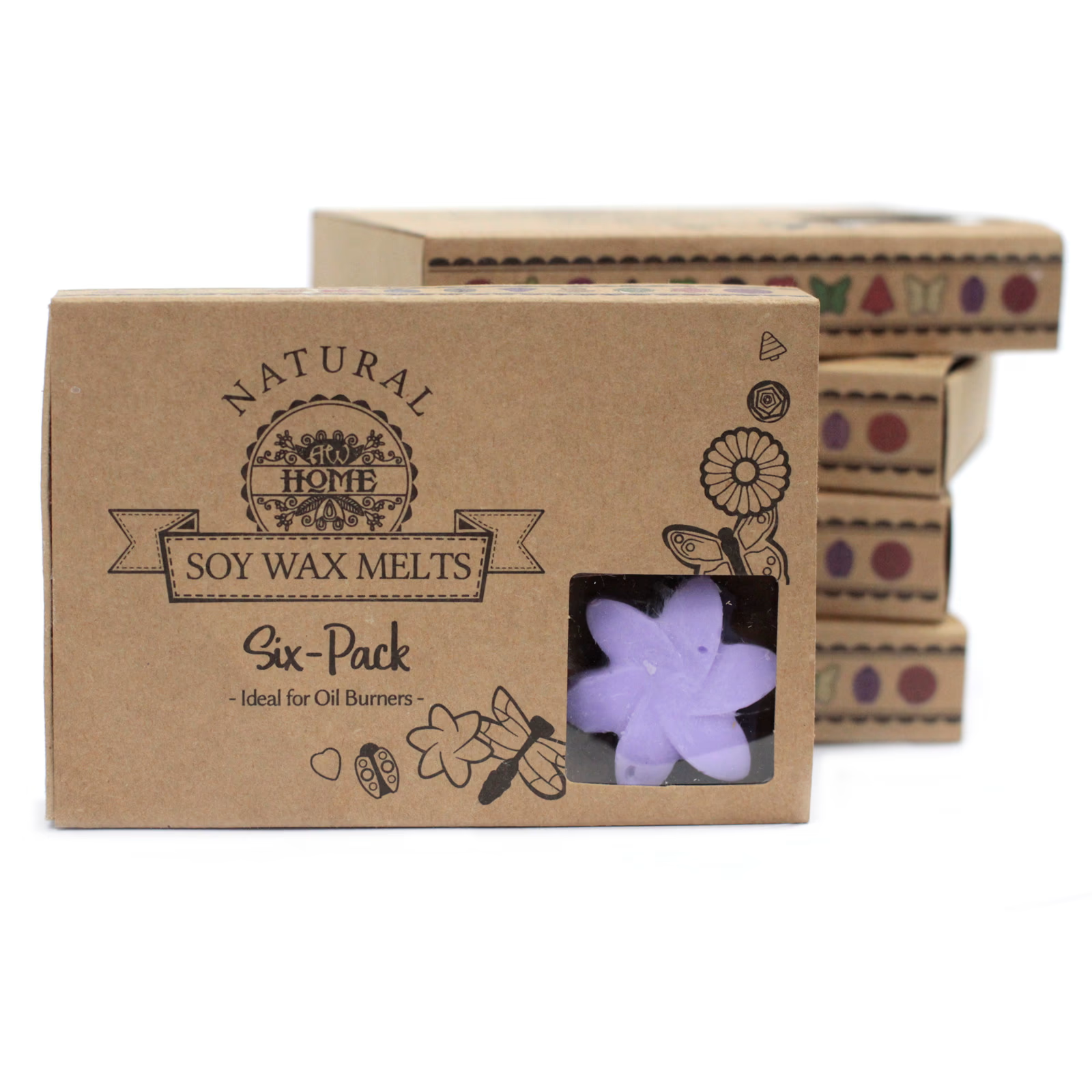
A wax melt is a small piece of scented wax designed to be warmed in a wax melt burner or suitable warmer. Unlike a candle, it has no wick. The wax itself does not need to burn. Instead, gentle heat softens and melts the wax so the fragrance can release into the room.
Soy wax melts use soy-based wax as the main wax material. Customers often like soy wax because it feels clean, simple and well suited to home fragrance. The important thing is not only the wax type, though. A good wax melt should also have a scent you enjoy, a format that suits your warmer, and clear product guidance for safe use.
Wax melts are different from liquid Fragrance Oils. Fragrance oils are added in small amounts to compatible burners, diffusers, candles, soaps or creative projects depending on the product. Wax melts are already held inside wax, so you place the wax into the warmer dish rather than adding drops of oil yourself.
How wax melts work in a warmer
Most wax melts are used with either an electric warmer or a tealight-style wax melt burner. The principle is simple: the warmer heats the dish, the wax softens, and fragrance releases as the wax becomes liquid. When the warmer is switched off or the tealight is extinguished, the wax cools and sets again.
The main habit is to start small. One cube, one segment or a small piece is usually enough for a normal room. If the scent feels too light, you can use slightly more next time. If it feels too strong, use less wax, choose a softer scent, shorten the session or move the warmer to a better-ventilated position.
Do not add water to wax melts unless the product or warmer instructions specifically tell you to do so. Wax melts are not used in the same way as essential oils in water. They need a clean, suitable dish where the wax can melt evenly without overflowing.
How much wax should you use?
The right amount depends on the warmer, the room size, the scent style and your own preference. A small room can become scented quickly, especially with richer fragrance families such as spice, amber, woods, gourmand notes or strong florals. A larger living space may need a little more time before the fragrance feels balanced.
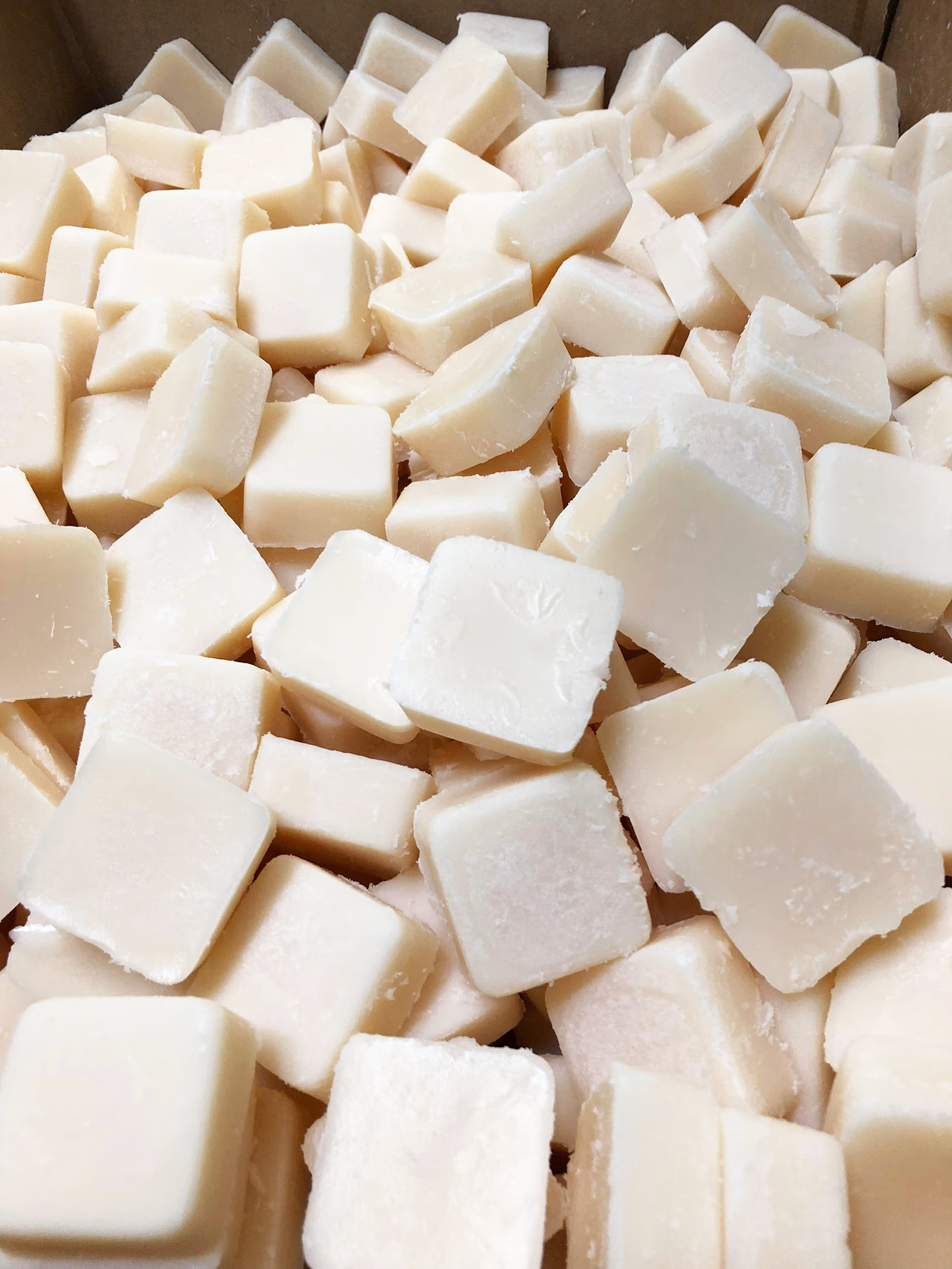
A good beginner approach is to use one small piece first and use the first session as a test. Let it warm, notice how the scent behaves, then decide whether that amount works for the room. This is better than filling the dish too much and finding the scent overpowering.
You can also adjust scent by timing. A short scent session before guests arrive may be enough for a hallway or sitting room. A longer session can suit a relaxed evening, as long as the warmer is used safely and watched where needed. The aim is not to make the room smell as strong as possible. The aim is to make the room feel pleasant when you walk into it.
Choosing scents by room
Different rooms ask for different scent styles. In kitchens and utility areas, fresher scents often feel natural. Citrus, clean fruit, green notes and lighter herbal profiles can help the room feel bright without becoming heavy. These are good choices when you want a quick refresh after cooking or cleaning.
Living rooms can take more personality. Warm spice, soft woods, vanilla, amber, fruit blends, florals or cosy seasonal scents can all work well because the living room is often where people sit for longer. If you are using wax melts while guests are present, choose a scent that feels welcoming rather than sharp or overly sweet.
Bedrooms and quiet corners usually suit softer choices. Gentle florals, powdery notes, smooth woods or delicate fruit blends can make the space feel calmer without making strong wellness promises. For a broader overview of room scenting, the Beginner’s Guide to Home Fragrance explains how oils, diffusers, burners and wax melts can work together.
Matching wax melts to season and mood
Wax melts are especially useful when you like to change your home fragrance through the year. Spring often suits fresh florals, green notes and soft fruit. Summer usually feels better with citrus, airy fruit, tropical blends and lighter scents that do not become too heavy in warm weather.
Autumn and winter can carry richer fragrance. Cinnamon, orange, clove, ginger, apple, vanilla, nutmeg, sandalwood and deeper resin-style notes can make a room feel warmer and more decorative. These scents can suit living rooms, dining spaces, hallways and gift moments where you want fragrance to feel intentional.
If you enjoy rotating fragrance by season, you can pair wax melts with the ideas in the Seasonal Scents guide. The same thinking applies: choose a scent family for the room and season first, then choose the product format that fits your routine.
Wax melts, oils and burners: what is the difference?
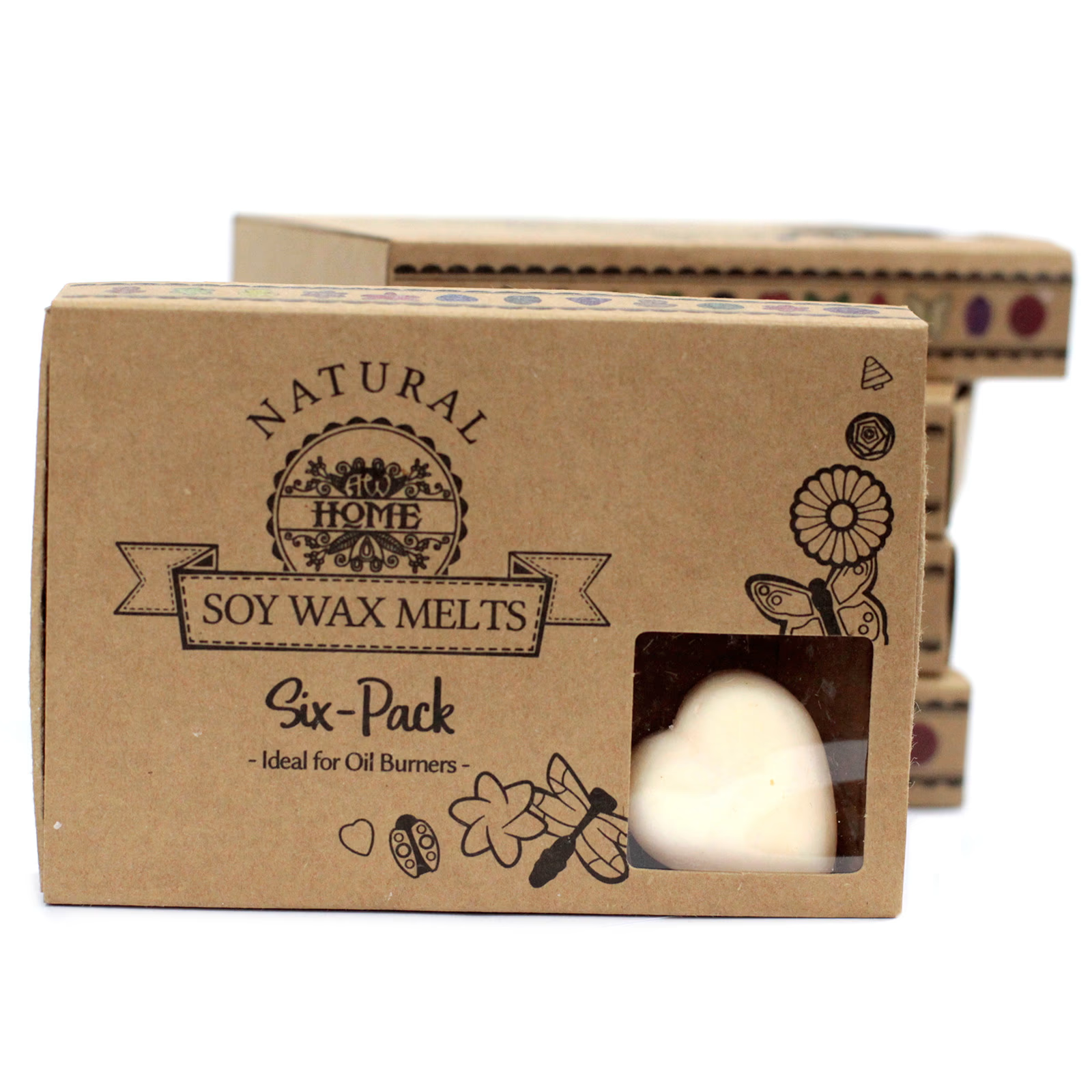
Wax melts are not the same as fragrance oils, essential oils or simmering granules. They are a finished wax product, so the fragrance is already blended into the wax. This makes them simple to use because you do not need to decide how many drops to add.
Fragrance oils are more flexible if you make candles, soaps or other creative products, or if you want to use liquid scent with a compatible burner. Wax melts are better when you want a ready-made scent portion for a warmer. If you are comparing liquid oils and wax, start with the Oil Burners category because burners, oils and melts need to be used in different ways.
Simmering granules are another easy format. They can be useful when you want a mess-free scented product for compatible burners. Simmering Granules and wax melts both suit customers who want simple home fragrance, but wax melts give the familiar melted-wax ritual and a broader gift-friendly feel.
When soy wax melts are the better choice
Choose wax melts when you want a cosy scent moment rather than continuous background fragrance. A Reed Diffuser is better for slow, steady scent throughout the day. A wax melt warmer is better when you want to decide when fragrance starts and stops.
Wax melts also suit customers who like visual fragrance rituals. The warmer, the wax, the scent choice and the room all become part of the experience. This can make wax melts feel more decorative than simply spraying a room or opening a bottle of oil.
They are also easy to gift. A wax melt box or gift set lets the recipient try several scents without needing to understand a full oil collection. If you are unsure what someone likes, choose a balanced scent family rather than an extreme one. Citrus, soft florals, warm vanilla, gentle woods and seasonal spice are often easier to gift than very unusual blends.
How to change scents and clean your warmer
Let the wax cool before handling the warmer. Once the wax has set, many people gently remove the solid wax from the dish according to the warmer’s instructions. Some warmers release cooled wax more easily than others, so avoid scraping with anything sharp that could damage the surface.
Never pour melted wax down a sink or drain. Wax can cool, harden and cause problems. If you need to remove wax while it is still slightly soft, use care, protect your hands from heat, and follow the product guidance for your warmer.
Cleaning matters because old wax and mixed scents can make the next fragrance feel muddy. If you want a fresh citrus scent one day and a warm sandalwood scent the next, a clean dish helps each scent feel clear. This is especially useful if you rotate between strong seasonal fragrances and softer everyday scents.
Managing scent strength
Scent strength is not only about how much wax you use. Room size, airflow, temperature, warmer style and scent family all matter. A small enclosed room will usually feel stronger than a large open-plan space. A rich spice or gourmand scent can feel stronger than a delicate floral even if you use the same amount of wax.
If a melt feels too strong, reduce the amount next time or choose a lighter scent family. If it feels too light, try a slightly longer session, a different warmer position or a bolder scent. The best home fragrance routine is one you can live with comfortably, not one that dominates the room.
It also helps to avoid scent fatigue. If you use the same strong scent every day, you may stop noticing it as clearly. Rotating between fresh, floral, fruity, woody and warm scents can make each one feel more distinct.
Safety notes for wax melt routines
Always use wax melts with a suitable warmer and follow the instructions for both the melt and the device. Place the warmer on a stable, heat-resistant surface away from edges, curtains, papers and anything that could be affected by heat.
If you use a tealight warmer, handle it as an open-flame product. Do not leave it unattended, and keep it away from children and pets. If you use an electric warmer, check the cable, plug and surface position before use. In both cases, do not overfill the dish, and let the warmer cool before moving or cleaning it.
Use fragrance with ventilation and common sense. A light scent is usually more pleasant than a heavy one. If someone in the home is sensitive to fragrance, start with very short sessions or choose a different format such as Home Scents used sparingly in the right room.

Building a small wax melt collection
You do not need a large drawer of wax melts to enjoy them. A practical starter collection can be small and useful: one fresh scent, one soft floral, one warm seasonal scent and one deeper evening scent. That gives you enough variety for different rooms without making the choice complicated.
Fresh scents are useful for daytime rooms. Floral scents can soften bedrooms, bathrooms and quiet corners. Warm scents are good for autumn, winter, evenings and hosting. Deeper woody scents work when you want the room to feel grounded, cosy and more atmospheric.
If you already use Aromatherapy & Home Fragrance products such as fragrance oils, reed diffusers or home scents, wax melts can sit beside them rather than replacing them. Use reed diffusers for background scent, wax melts for chosen scent moments, and oils or sprays when that format fits the room better.
Continue with related cosy fragrance guides
For other warm or easy scent formats, continue with the oil burners guide, simmering granules guide and seasonal scents guide.
Frequently asked questions
Do you add water to wax melts?
Usually, no. Wax melts are designed to melt as wax in a suitable warmer dish. Do not add water unless the wax melt or warmer instructions specifically say to do so.
Can I use wax melts in an oil burner?
Only use wax melts in a burner or warmer that is suitable for wax melts. Some oil burners can be used with wax melts, but the dish size, heat source and product guidance matter. If the burner is not suitable, choose a proper wax melt warmer instead.
How many wax melt cubes should I use?
Start with one small cube, segment or piece, then adjust from there. Smaller rooms and stronger scents usually need less. Larger rooms or lighter scents may need more time or a slightly larger amount.
Are wax melts the same as candles?
No. A candle has a wick and burns as a complete product. A wax melt has no wick and is warmed in a separate warmer. The wax melts, releases scent, then sets again as it cools.
How do I remove old wax from a warmer?
Let the warmer cool and follow the warmer’s instructions. Many people remove the cooled solid wax from the dish, then wipe the dish clean before changing scent. Do not pour melted wax down the sink.


