An easy way to scent a room without melted wax
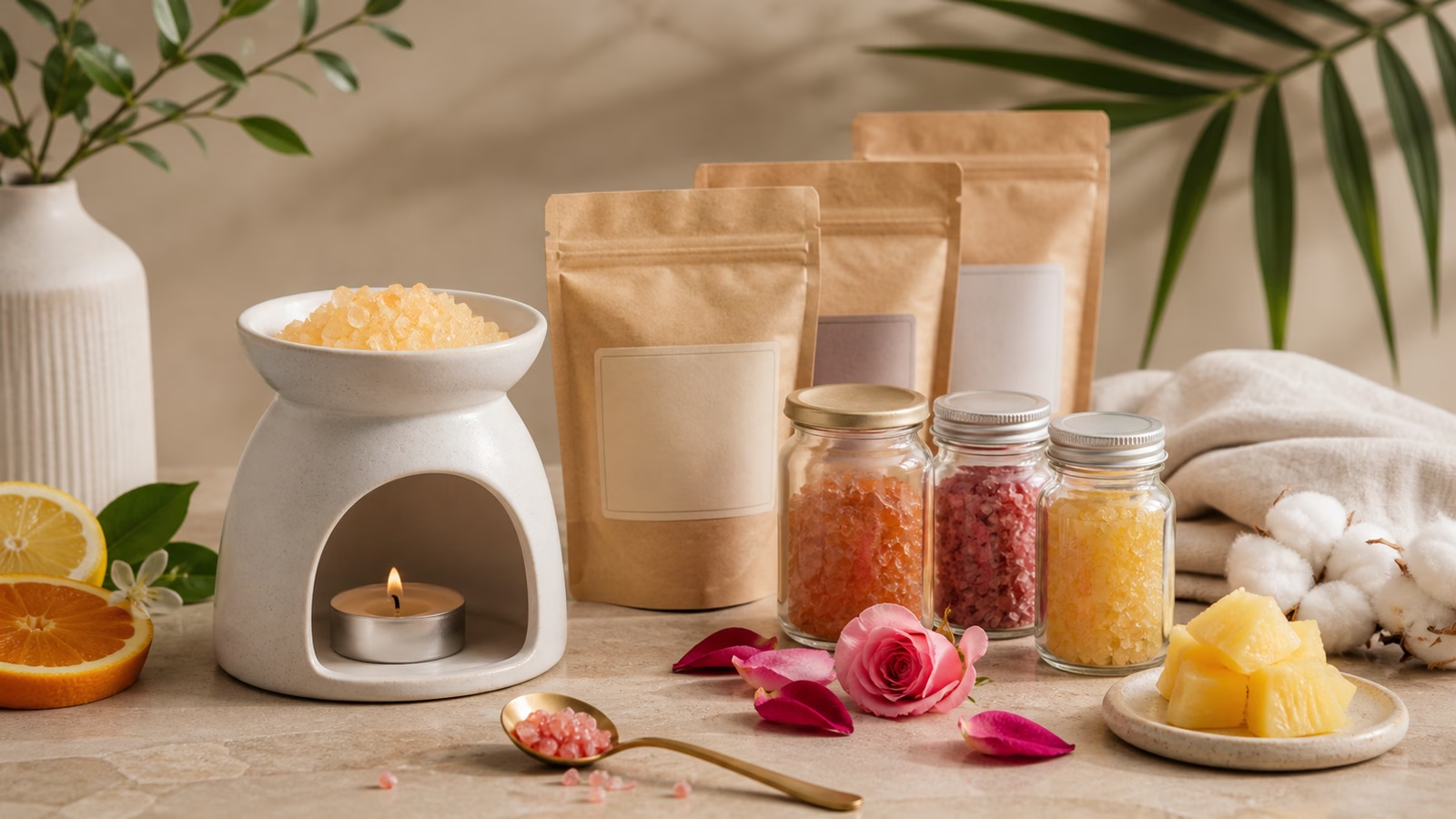
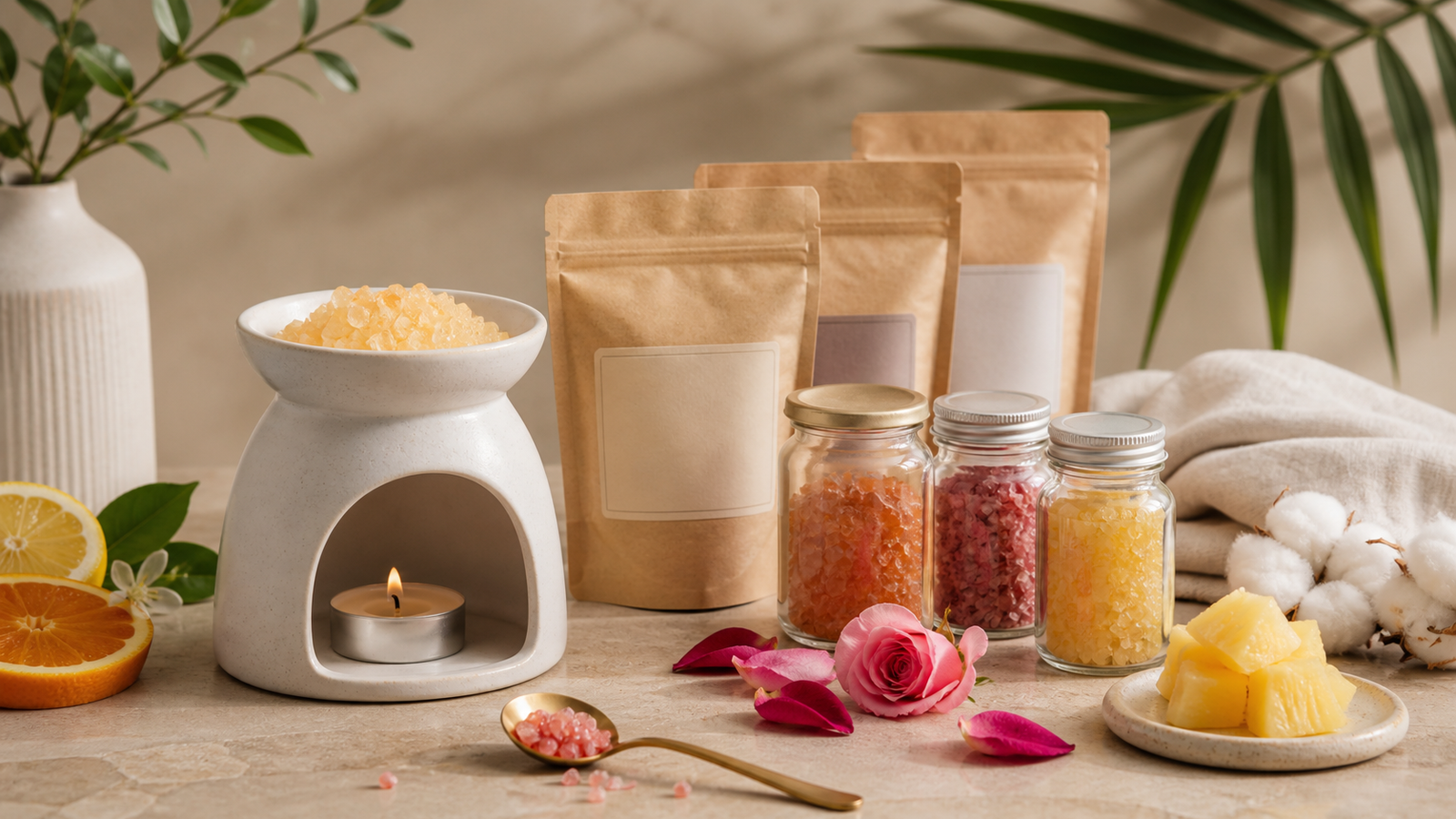
Simmering granules are a simple home-fragrance format for people who like using a burner but do not want the same melted-wax clean-up every time. They are small scented crystals, sometimes called scented sizzlers, designed to release fragrance when gently warmed in a suitable burner.
They sit between several familiar home-fragrance options. They feel more ritual-like than a room spray, easier to change than many wax melts, and more direct than a reed diffuser. If you already use an oil burner or wax warmer, simmering granules can be an easy extra option for quick room scenting.
The Simmering Granules collection at Aroma Sentia includes fruity Tropical Paradise scents and room-led options for hallways, bathrooms, bedrooms and living spaces. This guide explains what they are, how to use them, how they compare with wax melts, and how to choose a scent that fits the room.
What are simmering granules?
Simmering granules are fragrance-infused crystals made for home scenting. Instead of melting into liquid wax, they usually remain granular while they are warmed. The heat helps release the fragrance, then the granules can be left to cool before being removed from the burner dish.
This is why many customers see them as a tidy alternative to wax melts. A wax melt changes form as it warms, so you need to wait for the wax to cool and set before changing it. Simmering granules are still used with heat, but the clean-up can feel more straightforward because the material does not become a pool of wax.
They are not the same as loose potpourri, incense, essential oils or fragrance oils. They are their own home-fragrance format, made for use in a suitable burner or warmer. Always follow the product and burner guidance, especially around heat, surfaces and safe placement.
How to use simmering granules
The basic routine is simple. Place a small amount of granules into the dish of a suitable oil burner or warmer, warm them gently, enjoy the scent while it releases, then let everything cool fully before touching, moving or cleaning the burner.
You normally do not need to add water or oil unless the product instructions specifically say otherwise. The granules are already scented. Adding extra liquid can make the routine messier and may not suit the burner dish, so keep the setup simple and controlled.
Start with a modest amount. More granules can create a stronger scent, but a heavy hand is not always better. It is easier to add a little more next time than to overpower a small room. This is especially true in bathrooms, hallways and bedrooms, where the fragrance can feel stronger because the space is more enclosed.
Choose the right burner first
A good simmering-granules routine begins with the burner, not the scent. Use a stable burner with a suitable dish, enough space around it and a safe surface underneath. The dish should be easy to access and clean, and the burner should not feel cramped or unstable.
Many people use simmering granules with traditional oil burners, but the burner still needs to be appropriate for the product and the amount used. Do not overfill the dish. Keep the burner away from edges, draughts, curtains, pets and children, and never leave a heated burner unattended.
If your burner uses a tealight, use the burner exactly as intended and let it cool naturally before cleaning. If you use an electric warmer, follow the warmer’s own instructions. Different warmers can heat differently, so the same granules may feel stronger or softer depending on the setup.

Simmering granules vs wax melts
The main difference is the way the product behaves when warmed. Soy wax melts soften and melt, creating a liquid wax pool while fragrance is released. Simmering granules usually remain as scented crystals, so they can feel easier to change once the fragrance has faded and the burner is completely cool.
Wax melts can feel cosy, rich and slow. They are a good choice when you enjoy the look and ritual of melting wax. Simmering granules can feel more practical, especially when you like changing scents often or want a quick fragrance session without scraping out set wax.
Neither format is automatically better. Choose wax melts when you want a warmer, melt-based scent ritual. Choose simmering granules when you want something simple, tidy and easy to rotate. Many homes can use both, depending on the room, mood and time available.
Choose scents by room
Room choice matters because fragrance behaves differently in different spaces. A hallway scent should feel welcoming but not too heavy. A bathroom scent often works best when it feels clean or fresh. A living-room scent can be warmer and more rounded because people may spend longer there.
For a hallway, options such as Warm Welcome or Floral Greetings can support a pleasant first impression. The goal is not to flood the entrance with fragrance; it is to create a gentle scent note as someone walks in.
For a bathroom or utility space, cleaner scents such as Fresh Cotton or Daisy Fresh can feel natural. These rooms often suit brighter, fresher profiles because they are smaller and more practical.

Living room and bedroom scenting
Living rooms can handle slightly deeper or more rounded scent styles because the space is often larger and more social. Comfort Zone and Kickback & Relax are good examples of room-led scents designed around the feeling of the space, not just a single ingredient.
For bedrooms, keep fragrance softer and more controlled. A bedroom scent should not be harsh, sharp or distracting. Floral styles such as Midnight Roses or gentle room-led blends can work well when used lightly and with good ventilation.
Avoid using a burner right before leaving the room or going to sleep. Fragrance should be part of an attended routine. Warm the granules while you are present, then let the burner cool fully before cleaning or moving anything.

Fruity and tropical simmering granules
Fruity granules are useful when you want a brighter scent mood. The Tropical Paradise range includes scents such as banana, passion fruit, pineapple, strawberry, kiwifruit, mangosteen, pomelo, papaya, dragon fruit and watermelon. These can suit kitchens, daytime rooms and cheerful seasonal fragrance routines.
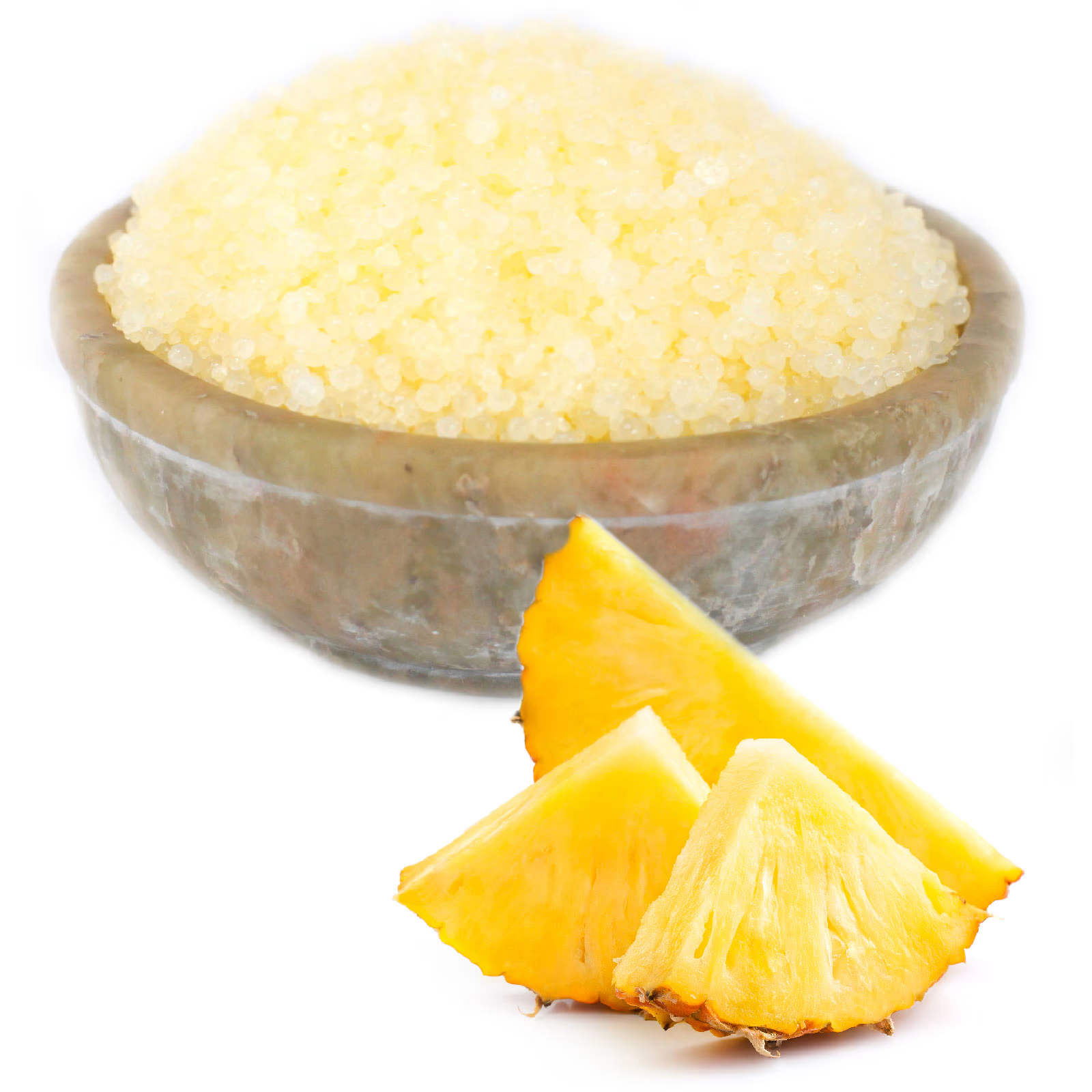
Pineapple simmering granules are a good example of a bright, tropical direction. They are different from soft floral bedroom scents or clean bathroom styles because they bring a more playful fruit character into the room.
Use fruity scents carefully in small rooms. A tropical scent that feels fun in a kitchen or living area can become too sweet if used heavily in a compact space. Start light, test the room, and adjust the amount next time if needed.
How much should you use?
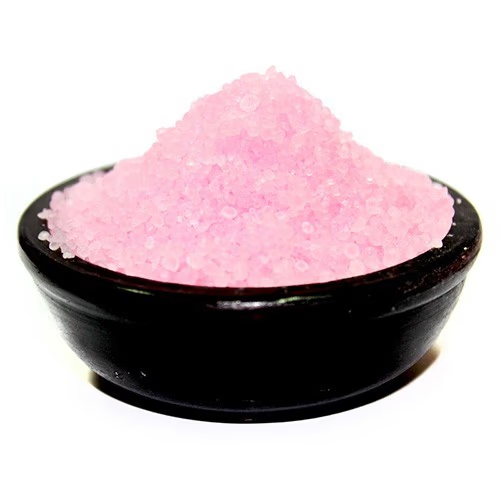
There is no need to fill the whole dish. A small amount is usually enough for a first session. The right amount depends on the burner, the room size, the scent strength and how close people are sitting to the burner.
For a stronger result, increase slowly over future sessions rather than adding too much at once. If the scent feels too strong, extinguish or switch off the heat source safely, ventilate the room and use less next time.
This is the same practical principle used across home fragrance: controlled scent is better than overwhelming scent. A room should feel pleasant when you enter it, not heavy or crowded with fragrance.
How long do simmering granules last?
How long they last depends on the scent, the amount used, the burner and the heat level. Some fragrance will be strongest at the beginning, then soften as the session continues. Once the scent has faded, let the granules cool completely before removing them.
Do not judge only by the look of the granules. They may still look similar after much of the fragrance has been released. If the scent is weak, it may simply be time to change them.
Store unused granules closed and away from heat, direct sun and moisture. Keeping them sealed helps preserve the fragrance and keeps the routine tidier.
Cleaning and changing scents
One of the practical advantages of simmering granules is the simple changeover. Let the burner cool fully, remove the used granules according to the product guidance, and wipe the dish if needed before adding a new scent.
Do not clean a hot burner. Do not pour cold water into a hot dish. Sudden temperature changes can be unsafe for some materials, and hot fragrance products can still cause burns or mess. Patience is part of safe burner use.
If you change between very different scents, such as rose and pineapple, clean the dish before the next session. This helps avoid muddled scent and keeps each fragrance more recognisable.
Where simmering granules fit in a home-fragrance routine
Simmering granules are best for intentional scent moments. Use them when you want a room to feel refreshed, welcoming or more atmospheric while you are present. They are especially useful when you like to change scents by room or by season.
They do not replace every format. A reed diffuser is better for continuous background scent. A home scent or room spray is faster for an instant refresh. Wax melts are still useful when you enjoy a softer wax-based ritual. Fragrance oils and essential oils have their own uses depending on the method.
That is why simmering granules work well as part of the wider Aromatherapy & Home Fragrance collection. They give customers another way to scent the home without needing a complicated routine.
If you like simple low-effort scenting, compare simmering granules with soy wax melts, oil burners and the wider home scents guide.
Frequently asked questions
Do you add water to simmering granules?
Usually no. Simmering granules are already scented and are generally used dry in a suitable burner dish. Always follow the product and burner instructions if they say something different.
Can I use simmering granules in an oil burner?
Yes, if the burner is suitable and used as directed. Place a small amount in the dish, keep the burner stable and attended, and let everything cool fully before cleaning or changing the granules.
Are simmering granules the same as wax melts?
No. Wax melts soften into liquid wax when warmed. Simmering granules are scented crystals that usually remain granular, which can make them easier to change once cooled.
How do I know when to replace simmering granules?
Replace them when the scent has faded. They may still look similar after use, so judge by fragrance strength rather than appearance alone.
Which simmering granules should I choose first?
Choose by room. Fresh cotton-style scents suit bathrooms, warm welcoming scents suit hallways, softer florals suit bedrooms, and fruity tropical scents can brighten kitchens or daytime living spaces.