
Choose fragrance oils by mood, room and method
Fragrance oils are one of the most flexible ways to scent a home. They can make a hallway feel fresh, a living room feel warm, a bathroom feel clean or a seasonal display feel more complete. The choice is wide, which is exactly why beginners can feel unsure where to start.
The best approach is to choose by mood, room and method. Mood tells you what the scent should do. Room tells you how strong or soft it should feel. Method tells you whether the oil is being used in an oil burner, diffuser, wax melt project, home scent display or another suitable fragrance routine.
If you want the full range, browse Aroma Sentia’s Fragrance Oils. If you are still learning the difference between product types, compare this guide with our explanation of Essential Oils vs Fragrance Oils.
What fragrance oils are best at
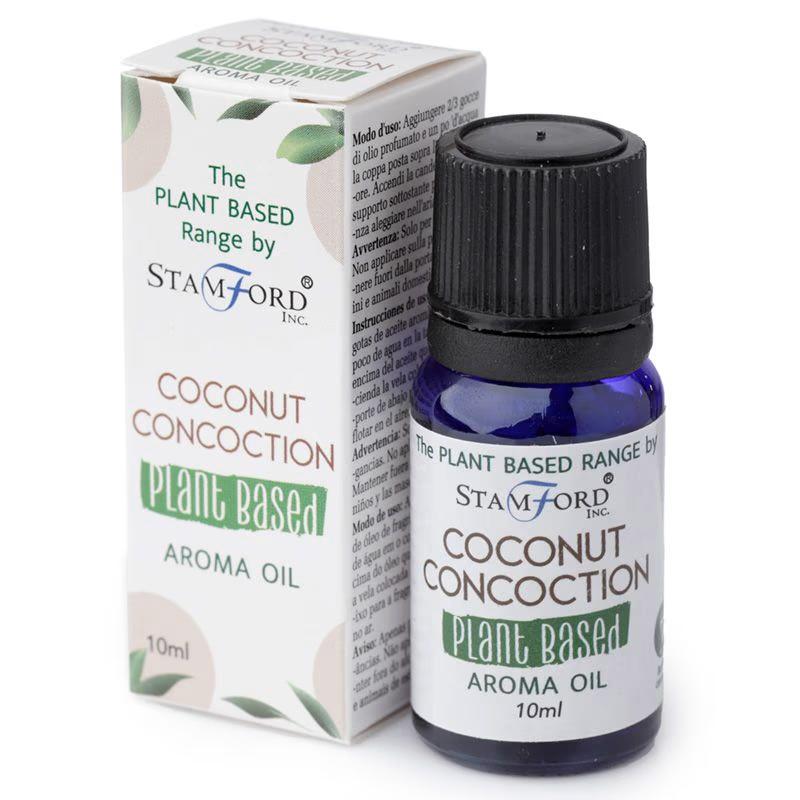
Fragrance oils are created for scent performance and variety. Unlike essential oils, which are botanical extracts, fragrance oils can be designed to smell fresh, floral, fruity, clean, sweet, woody, spicy, resinous, powdery or completely imaginative. This makes them useful when you want a specific atmosphere rather than a plant-derived aroma.
A fragrance oil can capture a familiar scent memory: clean laundry, vanilla, warm spice, soft rose, sea breeze, amber, sweets, fruit, bakery notes or festive blends. This is why fragrance oils work so well in home fragrance. They let you style a room by scent in the same way you might style it with cushions, candles or colour.
They are especially practical for oil burners, wax melts, candles, soaps, room scenting and decorative fragrance projects where consistency matters. The scent should be enjoyable, repeatable and easy to recognise.
Start with scent families
Scent names can be tempting, but scent families are more useful. Once you know which family suits a room, individual fragrance names are easier to choose.
Fresh and clean fragrance oils suit entrances, bathrooms, utility spaces and work areas. They help a room feel brighter and more open. Citrus, cotton, linen, light herbal and aquatic-style scents often sit here.
Floral fragrance oils can feel soft, elegant, romantic or powdery. They suit bedrooms, dressing areas, guest rooms and calm corners. Rose, jasmine-style, lavender-style, peony and soft blossom notes can work well, but use richer florals carefully in small rooms.
Fruity and sweet fragrance oils are playful and welcoming. They suit family rooms, seasonal displays, gifts and casual home scenting. Berry, apple, peach, tropical fruit, vanilla and gourmand styles can be enjoyable, but they can become heavy if overused.
Woody, spicy and resinous fragrance oils create warmth. They suit living rooms, autumn and winter displays, evening routines and cosy spaces. Amber, sandalwood-style, cedar-style, cinnamon, clove, resin and soft smoke notes can make a room feel settled and atmospheric.

Match fragrance oils to each room
A hallway or entrance should usually feel fresh and welcoming. Choose light citrus, clean linen, soft floral or gentle green scents. This is the first scent impression of the home, so avoid anything too heavy.
A living room can handle more warmth. Woody, amber, vanilla, soft spice, resinous, floral and fruit-based scents can work well. This is where a fragrance oil can feel decorative and personal, especially in the evening.
A bedroom should feel softer. Powdery florals, gentle woods, light vanilla, soft musk-style scents and calm floral blends usually feel better than sharp or very sweet fragrances. The goal is comfort, not intensity.
A bathroom suits clean, citrus, herbal, aquatic and light floral scents. The room is often smaller, so use a moderate amount. A scent that feels gentle in a living room can feel strong in a bathroom.
A kitchen is best with fresh, citrus, herbal or clean fragrance oils. Heavy sweet scents may clash with food, so keep the fragrance simple and bright.
A study or work area needs clarity. Fresh, herbal, green, light woody or clean scents can create atmosphere without feeling distracting.
Choose the right fragrance method
The same fragrance oil can feel different depending on the method. That is why you should decide how you will use it before buying too many scents.
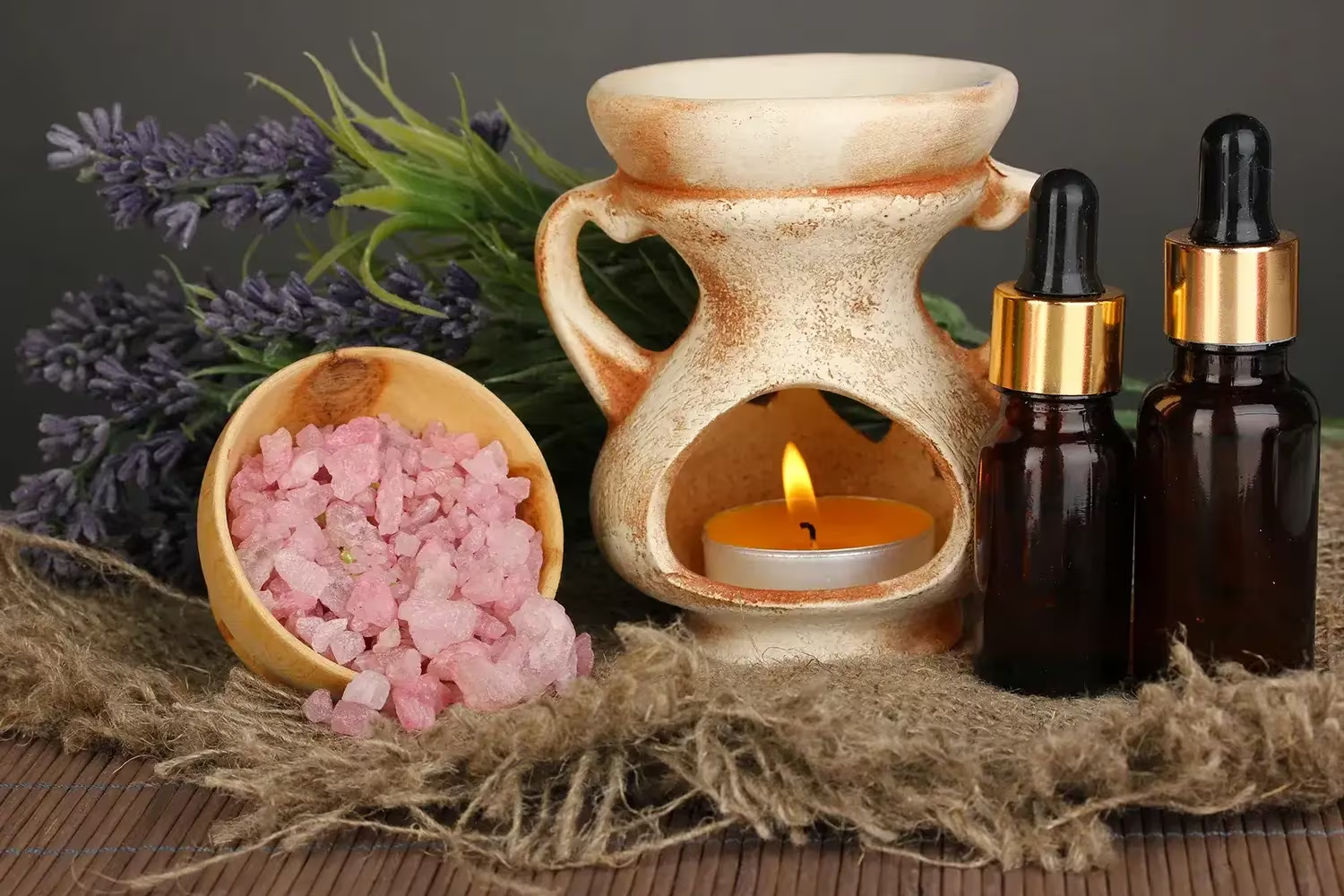
Oil burners are good for a stronger scent moment. They suit living rooms, hallways and evening routines when you want the fragrance to feel present. Always follow the burner instructions and never leave heated fragrance products unattended.
Wax melts are useful when you want a ready-made fragrance experience. You do not need to measure drops or build a blend. Choose the melt, warm it in a suitable warmer and let the scent develop.

Home scents and simmering granules are useful for decorative scent moments, seasonal displays and quick changes. They work well when the scent is part of how a room is styled.
If your method is a diffuser or atomiser, check the device instructions before using fragrance oils. Some devices are designed for essential oils, some for fragrance oils, and some have specific limits.
Think about scent strength
A good home fragrance should be noticeable without becoming too strong. Fragrance oils can be powerful, so it is better to start with less and increase only if needed.
Room size matters. A small bathroom may need only a soft scent. A larger living room may need a warmer or deeper fragrance. Air flow also matters. A scent near a doorway may travel more than a scent placed in a still corner.
The mood matters too. Fresh scents can often be lighter and still feel effective. Sweet, spicy and resinous scents may need more restraint because they naturally feel heavier.
If a fragrance smells too strong, use less next time, move it to a larger room, or choose a lighter scent family.
Build a small fragrance wardrobe
A fragrance wardrobe is a small set of scents you can rotate by room, season or mood. It does not need to be large.
A practical starter selection might include one fresh scent for entrances and bathrooms, one warm scent for the living room, one soft floral or powdery scent for bedrooms, and one seasonal scent for special occasions. This gives enough variety without making the choice overwhelming.
Once you know what you use most, you can expand. If you love warm scents, add more woods, ambers and spices. If you prefer freshness, explore citrus, linen, herbal and clean fragrance oils. If you enjoy gifting or making, add scents that work well with wax melts or creative projects.
Fragrance oils vs essential oils
Fragrance oils and essential oils are different tools. Fragrance oils are chosen for scent variety, strength and consistency. Essential oils are chosen for natural botanical aroma.
If you want your home to smell like a specific mood, season or decorative idea, fragrance oils are often the better choice. If you want a plant-derived aroma for a diffuser or oil burner, essential oils may be better.
Neither one needs to replace the other. Many customers use essential oils for botanical routines and fragrance oils for home scenting, oil burners, wax melts and seasonal fragrance.
How to rotate fragrance oils through the year
Seasonal rotation is one of the easiest ways to enjoy fragrance oils without making the home feel repetitive. Spring often suits clean florals, green notes, citrus and light fruity scents. Summer works well with fresh, aquatic, tropical, citrus and airy floral fragrances. Autumn naturally suits spice, amber, woods, apple, vanilla and warmer fruit notes. Winter can carry deeper resin, sweet, festive, gourmand and cosy fragrance styles.
The goal is not to change every room at once. A small seasonal shift is enough. You might keep the bathroom fresh all year, but change the living room from citrus and florals in spring to amber and spice in autumn. This creates a sense of rhythm without needing a large collection.
Fragrance oils are especially useful for this because they can capture moods and scent ideas that do not exist as simple botanical extracts. If you enjoy styling the home for seasons, guests, gifts or celebrations, fragrance oils give you more creative range.
How to fix a fragrance oil that feels wrong
Sometimes a fragrance oil smells beautiful from the bottle but feels wrong in the room. This does not always mean the scent is bad. It may be too strong, used in the wrong room, paired with the wrong method or competing with other smells in the home.
If the scent feels too heavy, use less or move it to a larger room. If it feels too sharp, try it in a hallway, bathroom or kitchen rather than a bedroom. If it feels too sweet, use it for shorter scent sessions instead of continuous background fragrance. If it disappears too quickly, check whether the room is too large, too draughty or whether a warmer method would suit it better.
A fragrance oil should serve the room. If the scent fights the room, change the amount, placement or method before giving up on it completely.
Fragrance oils for gifts and creative projects
Fragrance oils are also useful beyond everyday room scenting. They can help shape handmade gifts, seasonal wax melts, scented decorations, soaps, sachets and small home fragrance sets. A simple scent choice can make a gift feel more personal: fresh and clean for a practical home gift, floral for something soft and elegant, warm spice for winter, or sweet fruity notes for a playful present.
When using fragrance oils in creative projects, always follow the recipe and product guidance. A fragrance oil that works well in an oil burner is not automatically suitable for every candle, soap or cosmetic use. The safest approach is to choose the fragrance after you know the project method.
Common mistakes to avoid
The first mistake is choosing only by a beautiful name. A scent name can sound perfect, but the scent family matters more. If you dislike sweet fragrances, a beautiful dessert-style name will still feel wrong in your home.
The second mistake is using too much. Fragrance oils are concentrated. A smaller amount used well often feels more elegant than a heavy scent.
The third mistake is using the same scent in every room. A fresh scent may suit a bathroom but feel too sharp in a bedroom. A warm scent may suit a living room but feel too heavy in a hallway.
The fourth mistake is forgetting the method. A fragrance oil should match the burner, warmer, diffuser, candle base, soap recipe or home scent product you plan to use.
Final guidance
Choose fragrance oils by scent family, room and method. Fresh scents suit entrances, bathrooms and work areas. Warm scents suit living rooms and evenings. Soft florals suit bedrooms and quiet spaces. Sweet, fruity and seasonal scents work well for decorative moments and gifts.
Start with a small collection and learn what your home actually needs. A good fragrance oil should make the room feel more intentional, not simply stronger.
For broader context, read the Beginner’s Guide to Home Fragrance or browse the full Aromatherapy & Home Fragrance collection.
Related home fragrance guides
For more fragrance-oil ideas, continue with the home scents guide, the home fragrance by room guide, the soy wax melts guide and the seasonal scents guide.
Frequently asked questions
What fragrance oil is best for a living room?
Warm woody, amber, vanilla, soft spice, resinous and gentle floral scents often work well in living rooms because they create comfort and depth.
What fragrance oils make a home smell fresh?
Citrus, clean linen, cotton, herbal, green, minty and aquatic-style fragrance oils usually make a home feel fresher.
Can I use fragrance oils in every room?
Yes, but choose the scent strength carefully. Small rooms usually need lighter scents, while larger living spaces can handle warmer or deeper fragrance oils.
Are fragrance oils the same as essential oils?
No. Essential oils are botanical extracts. Fragrance oils are scent compositions created for aroma variety, consistency and performance.
Which fragrance oils are best for beginners?
Start with one fresh scent, one warm scent, one soft floral scent and one seasonal or sweet scent. This gives variety without making the collection confusing.


