Essential Oils vs Fragrance Oils: What’s the Difference?
Learn the difference between essential oils and

Essential oils are highly concentrated aromatic plant extracts, so a little goes a long way. They can make a room feel fresher, softer, brighter or more grounded, but they should be used with care. Safe use is not about making essential oils complicated. It is about choosing the right method, using a sensible amount, keeping oils away from sensitive areas, and paying attention to the people and pets in your home.
If you are completely new to essential oils, begin with one or two oils, one method, and short scent sessions. A diffuser, an oil burner, or a simple diluted blend is easier to understand than trying several products at once. Once you know how your home responds to a scent, you can explore more oils and blends with confidence.
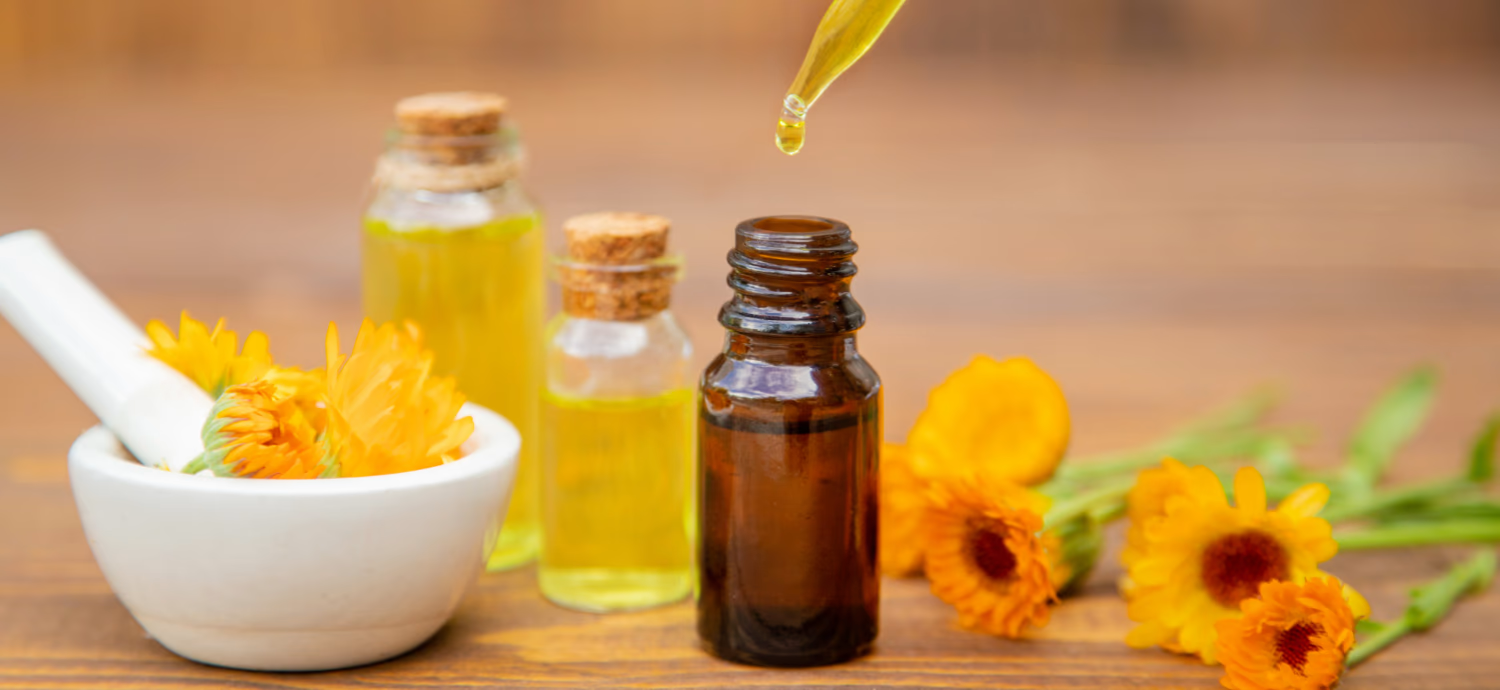
Essential oils are concentrated extracts from aromatic plants. Depending on the plant, they may come from leaves, flowers, peel, wood, bark, roots or resin. The scent can be beautiful and powerful, but that strength is exactly why essential oils need more care than ordinary room fragrance.
Natural does not automatically mean gentle. Some oils can irritate skin, some should be avoided around young children, some may not suit pets, and some citrus oils can make skin more sensitive to sunlight after topical use. This does not mean essential oils should be avoided. It means they should be treated as concentrated ingredients rather than casual household liquids.
For everyday home scenting, many people use essential oils in diffusers, oil burners, blends and simple aromatherapy rituals. If you are still deciding between botanical oils and crafted home fragrance, our guide to Essential Oils vs Fragrance Oils explains the difference clearly.
The safest way to begin is to decide how you want to use the oil before choosing the scent. A diffuser, an oil burner, a massage blend and a bath all need different amounts and different precautions. An oil that smells pleasant in a diffuser should not automatically be used directly on skin or added neat to bathwater.
For room scenting, browse Essential Oils & Blends and choose oils that match the atmosphere you want to create. For flame-free scenting, an ultrasonic diffuser can be a simple option. For a traditional ritual, Oil Burners can work well when used carefully. If you prefer ready-made home scent styles, the broader Aromatherapy & Home Fragrance collection includes several formats beyond essential oils.
Diffusing is one of the easiest beginner methods because the oil is dispersed into the air instead of applied to the skin. Even so, more oil does not always mean a better result. Too much scent can feel heavy, sharp or overwhelming, especially in smaller rooms.
Follow the instructions for your diffuser or atomiser. As a general beginner habit, start with a few drops, run the diffuser for a short session, and ventilate the room. If the scent feels too intense, use less next time or move the diffuser to a larger space. Avoid running strong oils continuously all day, especially in bedrooms, children’s rooms, pet areas or small closed spaces.
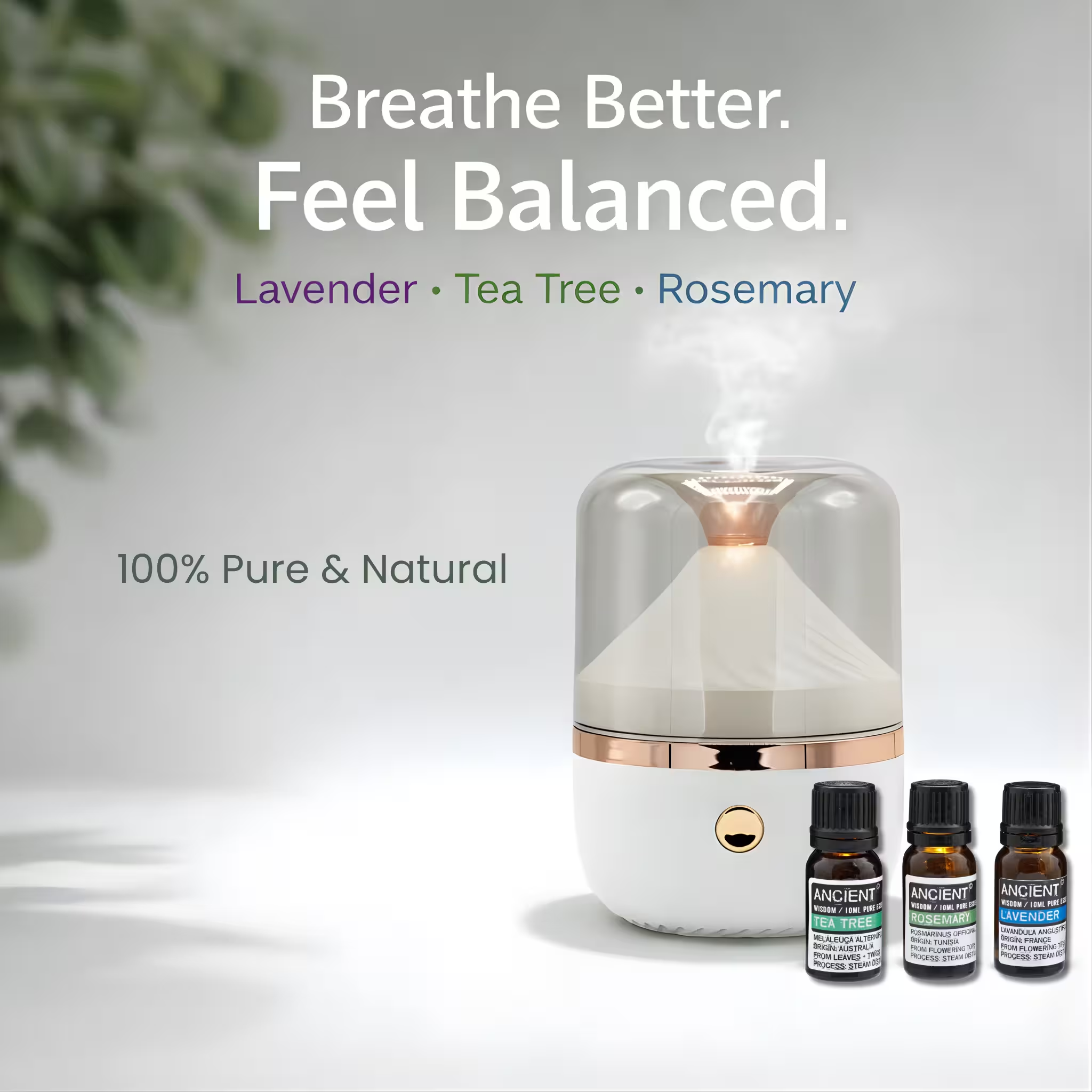
Oil burners create a more traditional scenting ritual. They can be effective, but they involve heat and often a flame, so placement and supervision matter. Keep burners on a stable, heat-safe surface, away from curtains, shelves, children, pets and anything that could be knocked over.
Use the amount recommended for your burner and never leave it unattended. If the burner uses water, do not let the bowl dry out while it is hot. Allow the burner to cool fully before cleaning or changing oils. If you want a stronger room fragrance or a wider choice of scent styles for burners, you may also want to compare essential oils with Fragrance Oils.
Essential oils should not be applied neat to the skin. Because they are concentrated, they should usually be diluted into a suitable carrier oil before topical use. Carrier oils help spread the essential oil, reduce the chance of irritation, and make the blend easier to apply evenly.
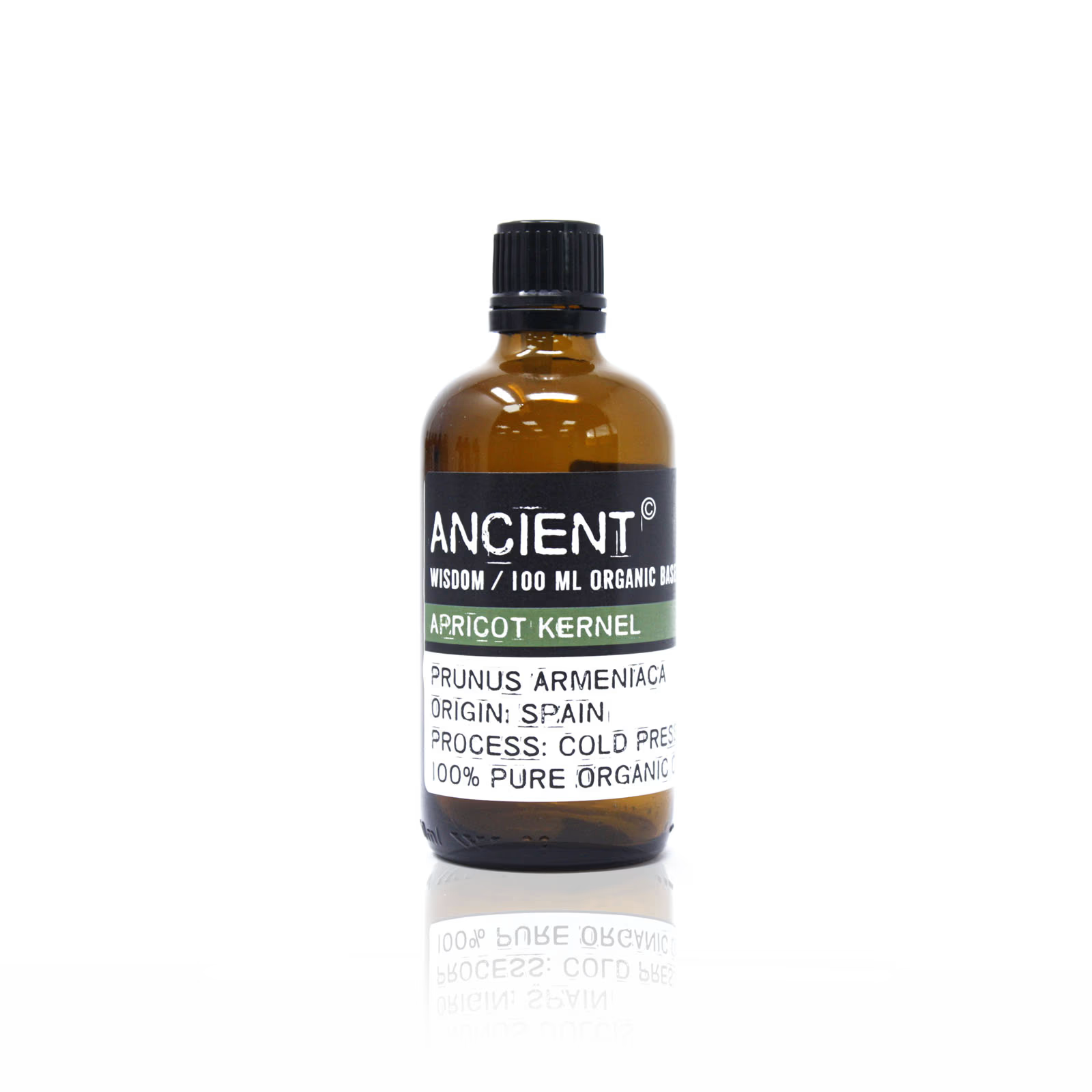
A simple beginner approach is to use a very low dilution and test carefully. Choose a suitable Base Oil such as sweet almond, jojoba or another carrier oil that matches your skin preferences. Mix in a small amount of essential oil, label the blend, and avoid sensitive areas such as eyes, lips, mucous membranes, broken skin and freshly shaved skin.
For first use, apply a small amount of the diluted blend to a small patch of skin and wait to see how your skin responds. If redness, stinging, itching or discomfort appears, wash the area and stop using that blend.
Adding essential oils directly to bathwater is a common mistake. Oil and water do not mix properly, which means neat essential oil can float on the surface and touch the skin in concentrated droplets. This can cause irritation, especially in warm water.
If you use essential oils in a bath, they should first be properly diluted or dispersed using a suitable bath-safe method. Keep the amount low, avoid strong or irritating oils, and step out if the scent feels too intense or your skin feels uncomfortable. For beginners, diffuser use is often simpler than bath use because it avoids direct skin contact.
Homes are shared spaces, so essential oil safety is not only about the person using the oil. Babies, young children, pregnant people, older adults, people with sensitivities, and pets may respond differently to strong scents.
Use extra caution in rooms used by children or animals. Keep bottles closed and stored out of reach. Diffuse lightly, keep the door open where possible, and allow pets to leave the room. Some essential oils are not suitable around certain pets, and cats in particular can be sensitive to many aromatic compounds. If you are unsure, ask a veterinarian before using a new oil around animals.
For children, avoid strong oils and avoid applying essential oils to a child’s skin unless you have clear professional guidance. Gentle room scenting, used occasionally and with ventilation, is usually a safer starting point than topical use.
Good storage is part of safe use. Essential oils should be kept tightly closed, away from heat, sunlight and moisture. Store them upright and out of reach of children and pets. Do not keep bottles near flames or hot burners.
Labels matter. If you create a diluted blend, write down what is inside and when you made it. This helps avoid confusion later, especially if several oils have similar scents. If an oil smells noticeably different from when you bought it, becomes cloudy, thickens unexpectedly or irritates your skin, stop using it.
Beginners often use too much. For room scenting, start lower than you think you need. A few drops in a diffuser or burner may be enough, especially in smaller rooms. If the scent disappears quickly, it is better to adjust gradually than to overload the room at the beginning.
For skin use, keep dilution low and conservative. Different oils have different strength levels, and some need much lower concentrations than others. If you are making blends for personal use, keep them simple and avoid mixing many oils together until you understand how each one behaves.
Some oils are naturally more intense than others. Cinnamon, clove, oregano, thyme, peppermint, wintergreen and many strong spice or mint oils can feel powerful and may be more likely to irritate skin if used carelessly. Citrus oils can be bright and beautiful, but some may increase sun sensitivity after topical use.
This does not make these oils “bad”. It simply means they need more respect. Beginners may find it easier to start with gentler familiar scents, then explore stronger oils after learning dilution, ventilation and patch testing habits.
A good beginner routine is simple. Choose one oil, one room, and one method. Use a small amount for a short period, then notice how the scent feels. Does it suit the room? Is it too strong? Does anyone in the home dislike it? Is the space ventilated enough?
For example, you might use a soft citrus or floral oil in a diffuser during the day, then put the bottle away and air the room later. Another day, you might test a woody oil in an oil burner while you are present in the room. This slow approach helps you learn what works without overwhelming the space.
If you want broader guidance on room-by-room choices, read How to Choose the Right Essential Oil for Your Home. If you are comparing all scenting formats, use the Beginner’s Guide to Home Fragrance as your starting point.
The most common mistakes are using too much oil, applying oils neat to skin, adding oils directly to bathwater, diffusing continuously in closed rooms, leaving burners unattended, and assuming every natural oil is suitable for every person or pet.
Another mistake is using essential oils as if they are medical products. Essential oils can be part of a pleasant home routine, but they should not be used to diagnose, treat or replace professional healthcare. If you have a health condition, are pregnant, take medication, or have sensitive skin or allergies, seek professional advice before using essential oils in a new way.
Essential oils are ideal when you want a botanical scent profile. Fragrance oils may be better when you want a particular scent style, stronger room fragrance, seasonal aromas, gourmand notes, or creative home fragrance projects. For example, vanilla, fresh linen, candy, bakery and complex perfume-style scents are usually fragrance oil territory.
If your goal is home atmosphere rather than botanical purity, fragrance oils can be a practical option. If your goal is a simple plant-derived diffuser routine, essential oils may be the better fit. The safest choice depends on the method, the room, and the people or pets in the home.
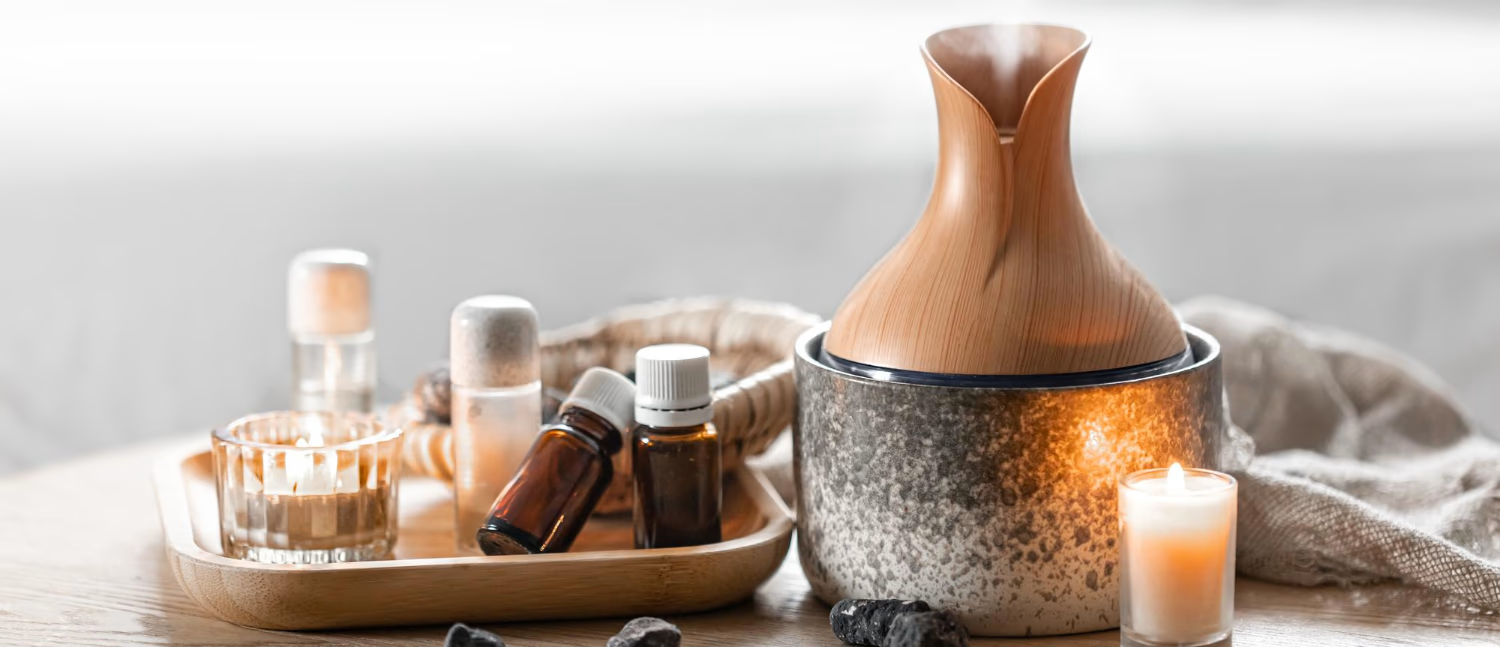
For practical use, pair this safety guide with the oil burners guide, the base oils guide and the car diffusers guide, where subtle scent and careful placement matter.
No. Essential oils should usually be diluted in a suitable carrier oil before skin use. Applying them neat can increase the risk of irritation, redness or sensitivity. Always patch test a diluted blend first and avoid eyes, lips, broken skin and sensitive areas.
Use caution. Pets can be more sensitive to scent than humans, and some oils may not be suitable around certain animals. Diffuse lightly, keep rooms ventilated, allow pets to leave the room, and ask a veterinarian if you are unsure about a specific oil.
No. Oil burners should not be left unattended, especially if they use a tealight or any heat source. Keep them on a stable heat-safe surface, away from children, pets, curtains and shelves, and let the burner cool before cleaning or moving it.
It is better not to add essential oils directly to bathwater. Oil and water do not mix properly, so concentrated droplets can sit on the surface and irritate skin. Use a proper dilution or bath-safe dispersing method, and keep the amount low.
Start with a simple diffuser routine, a small number of drops, short sessions and good ventilation. Choose one or two beginner-friendly oils, avoid continuous use in closed rooms, and keep all bottles stored safely away from children and pets.

Learn the difference between essential oils and

Explore how aromatherapy can support a calmer
Learn how to use essential oils safely

Choose seasonal fragrance oils for spring, summer,