Essential Oils vs Fragrance Oils: What’s the Difference?
Learn the difference between essential oils and

Aromatherapy is often talked about in very big terms, but for everyday home use it is best understood simply: scent can help shape the atmosphere of a room. A fresh citrus scent can make a space feel brighter. A soft floral can make an evening routine feel slower. A woody or resinous note can make a living room feel warmer and more grounded.
That does not make essential oils a treatment for stress, anxiety or sleep problems. They are not a replacement for medical advice, rest, healthy routines or professional support. But used sensibly, aromatherapy can become a gentle part of the way you prepare your home for focus, rest, guests, reading, bathing or winding down at the end of the day.

Aromatherapy uses aromatic plant extracts, especially essential oils, to bring botanical scent into daily rituals. At home, this usually means diffusing oils, using an oil burner, adding a safely diluted blend to a personal care routine, or choosing a fragrance format that suits a particular room.
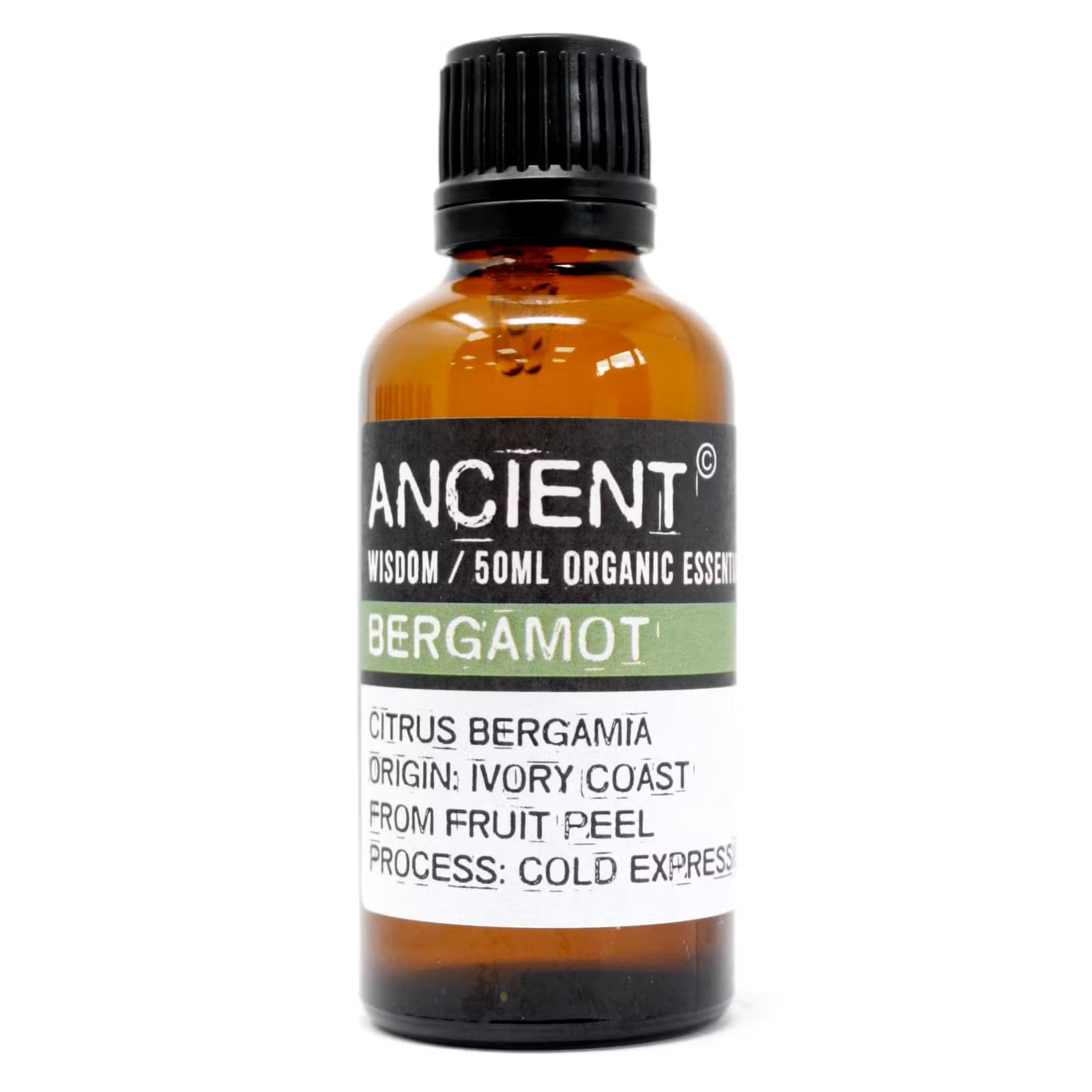
The value is in association and atmosphere. When you use the same gentle scent in a quiet room, your home starts to connect that aroma with a certain mood. Lavender, cedarwood, bergamot, sweet orange, chamomile-style blends and soft herbal notes are often chosen for evening spaces because they feel gentle rather than sharp.
If you are new to oils, start with the Beginner’s Guide to Home Fragrance first, then build slowly.
A relaxing home scent does not need to be strong. In fact, subtle fragrance often works better than a heavy cloud of aroma. Bedrooms, reading corners and evening living rooms usually suit softer oils and shorter scent sessions.
Citrus oils can feel fresh and optimistic. Floral notes can feel gentle and familiar. Woody oils can add depth. Herbal notes can make a room feel clean and composed. You can use these scent families alone or combine two oils at a time until you find a balance that feels right.
The best scent is the one you actually enjoy. If lavender is too powdery for you, choose something softer, greener or warmer. Aromatherapy should make a space feel more comfortable, not force you into a scent that you think you are supposed to like.
Diffusers and burners are the most common ways to enjoy aromatherapy at home. A diffuser is simple for gentle room scenting, while Oil Burners give a more traditional ritual. Both methods need sensible use.
Start with a small amount of oil and a short session. Keep the room ventilated and avoid running strong oils continuously in closed spaces. If using a burner, never leave it unattended, keep it on a heat-safe surface and allow it to cool before cleaning.
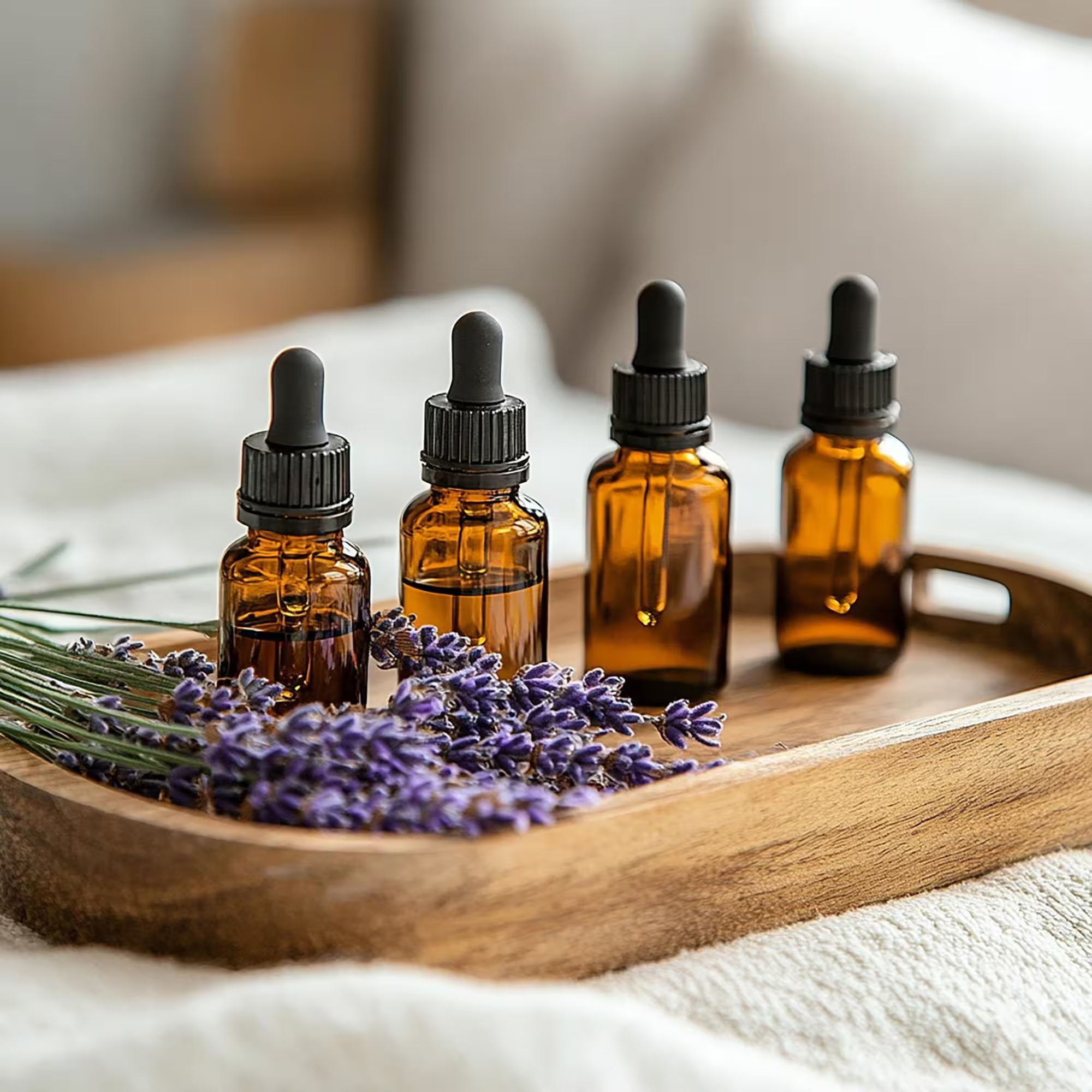
Evening scent routines work best when they are consistent and simple. You might tidy the room, lower bright lighting, open a window briefly, then use a gentle oil blend for a short period. The scent becomes one part of the transition from daytime activity to a quieter home atmosphere.
Avoid using strong, stimulating scents too late if they make the room feel too bright or sharp. Some people prefer soft florals, woods, resins or warm citrus in the evening. Others prefer no scent in the bedroom and use aromatherapy earlier in the living room instead.
The goal is not to force sleep. The goal is to create a calmer environment that supports the kind of evening you want.
Because essential oils are concentrated, safety is part of a good aromatherapy routine. Keep bottles out of reach of children and pets, avoid direct contact with eyes and sensitive skin, and do not apply oils neat to the skin. If you use oils topically, dilute them properly with a suitable Base Oil and patch test first.
Pets, babies, young children and people with sensitivities may respond differently to strong scents. Use light amounts, keep rooms ventilated and allow pets to leave the room. For more detailed guidance, read How to Use Essential Oils Safely.
For a living room, choose scents that feel welcoming but not too sharp. Soft woods, gentle citrus, amber-style blends and light florals can work well, especially when guests are present. For a bedroom, keep fragrance subtle and avoid heavy continuous scenting. A short evening session outside the bed area is often more comfortable than a strong scent running all night.
For bathrooms, fresh herbal, citrus or clean floral aromas can make the space feel brighter. For a home office, many people prefer clearer scents such as citrus, minty notes used lightly, or fresh herbs. The best choice depends on the room size, ventilation and how strong you like fragrance to feel.
Aromatherapy works best when it becomes part of a repeatable routine rather than a one-off fix. Choose the same gentle scent for a few evenings and pair it with small habits: dimmer lighting, tidying the space, opening a window briefly, putting away work items, or preparing a warm drink.
This consistency helps the home feel more intentional. The scent is not doing all the work by itself; it is acting as a cue for a calmer rhythm. That is a safer and more realistic way to talk about aromatherapy than promising that one oil can solve stress or sleep issues.
Avoid overpowering the room. If a scent gives you a headache, feels sharp, or lingers too heavily, use less or choose a softer oil. Avoid applying essential oils directly to pillows or bedding unless the product is specifically made for that use, as neat oils can irritate skin and may mark fabrics.
Avoid turning aromatherapy into medical advice. If stress, anxiety or sleep difficulty is persistent or serious, professional support matters. Home fragrance can make an environment feel more pleasant, but it should sit alongside healthy routines and appropriate care.
Essential oils are ideal when you want a botanical scent profile. Fragrance Oils can be better when you want a very specific home mood, such as fresh linen, vanilla, amber, seasonal spice, soft musk or a cosy candle-style aroma.
For a purely atmospheric room scent, fragrance oils, Soy Wax Melts and ready-made Home Scents may offer more variety. If you are unsure which type to choose, compare them in Essential Oils vs Fragrance Oils.
For softer everyday scent routines, continue with the reed diffusers guide, the home scents guide and the home fragrance by room guide.
To create a calmer home, browse the aromatherapy and home fragrance collection.
Aromatherapy should not be treated as a medical solution for stress. It can, however, help create a calmer-feeling environment when paired with practical habits such as rest, ventilation, lower lighting and a slower evening routine.
Many people choose lavender, bergamot, sweet orange, cedarwood, chamomile-style blends, frankincense-style notes or soft florals. Personal preference matters most, so start with scents you genuinely enjoy.
You can use scent regularly, but avoid heavy continuous diffusion in closed rooms. Short, light sessions with ventilation are usually more comfortable than strong fragrance running all evening.
Use caution. Pets can be sensitive to essential oils and strong scents. Keep rooms ventilated, use low amounts, keep bottles out of reach and ask a veterinarian if you are unsure about a specific oil.
Choose essential oils if you want botanical aroma. Choose fragrance oils if you want a specific mood such as vanilla, linen, amber, soft musk or seasonal spice. Both can work when used with the right method and safety habits.

Learn the difference between essential oils and

Explore how aromatherapy can support a calmer
Learn how to use essential oils safely

Choose seasonal fragrance oils for spring, summer,