Essential Oils vs Fragrance Oils: What’s the Difference?
Learn the difference between essential oils and

The word “pure” appears on many essential oil bottles, but it is not always explained clearly. For a customer, pure should mean that the oil comes from the named botanical source and has not been stretched with unrelated fragrance, unclear fillers or synthetic scent added to make it smell stronger.
That matters because essential oils are concentrated. If you are using them in a diffuser, oil burner or diluted personal-care routine, you need to know what is actually in the bottle. Clear sourcing, honest labels and sensible safety guidance are more useful than dramatic claims or vague wellness language.
Pure does not mean magical, medical or suitable for every use. It simply means the product should be true to its stated plant source. From there, the right choice depends on quality, intended use, scent preference and safe handling.
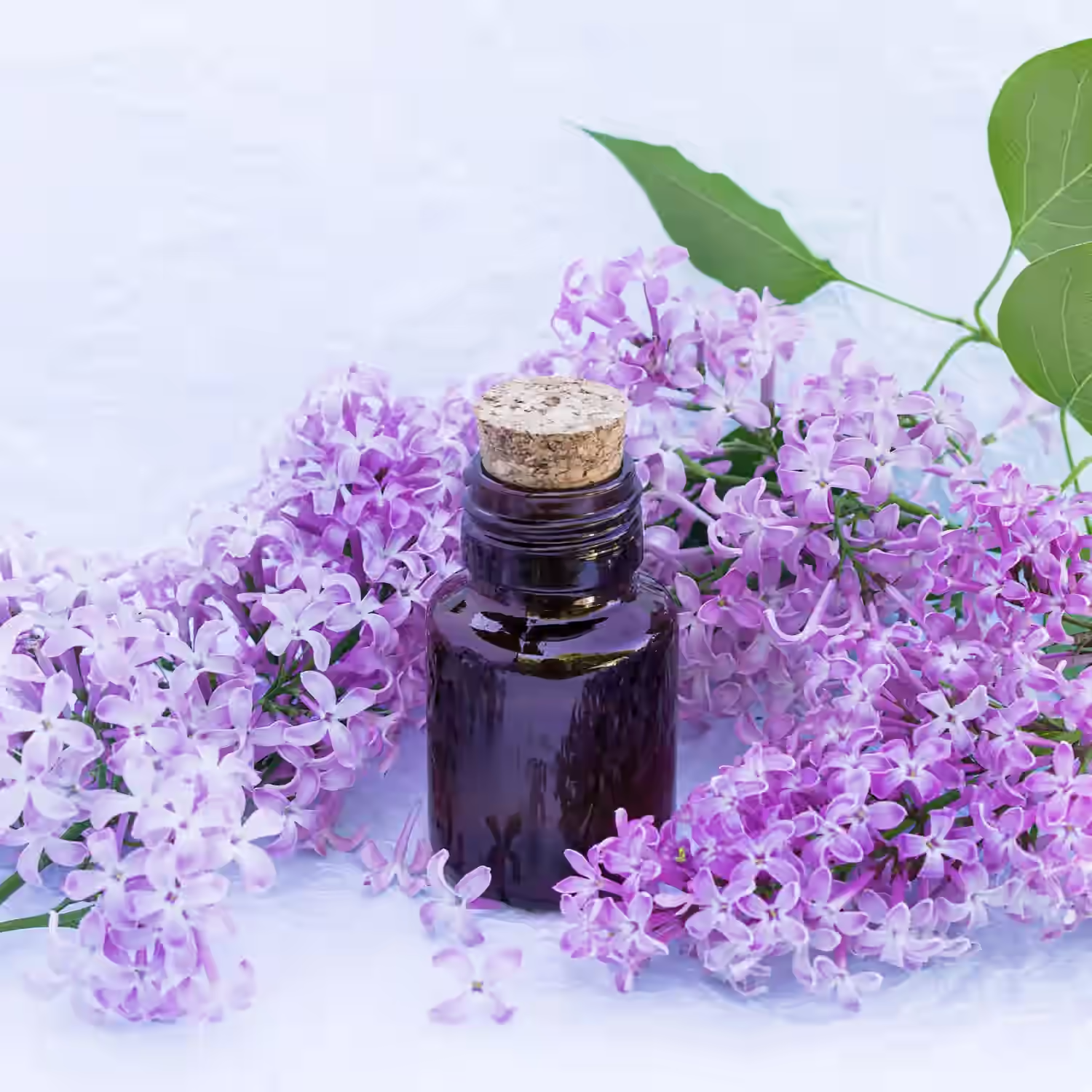
A pure essential oil is an aromatic plant extract made from a specific botanical material, such as lavender flowers, citrus peel, eucalyptus leaves, peppermint leaves, cedarwood or tea tree. The finished oil should represent that named plant source without being blended with unrelated scent compounds unless the product is clearly sold as a blend.
This is different from Fragrance Oils, which are crafted scent blends designed for creative home fragrance. Fragrance oils can be excellent for wax melts, burners, seasonal scents and room fragrance, but they are not the same as single-source essential oils. If you are choosing between the two, read Essential Oils vs Fragrance Oils before buying.
A pure essential oil may still vary from batch to batch because plants vary by harvest, climate and origin. That natural variation is not automatically a problem. It is part of working with plant material rather than a fully synthetic scent formula.
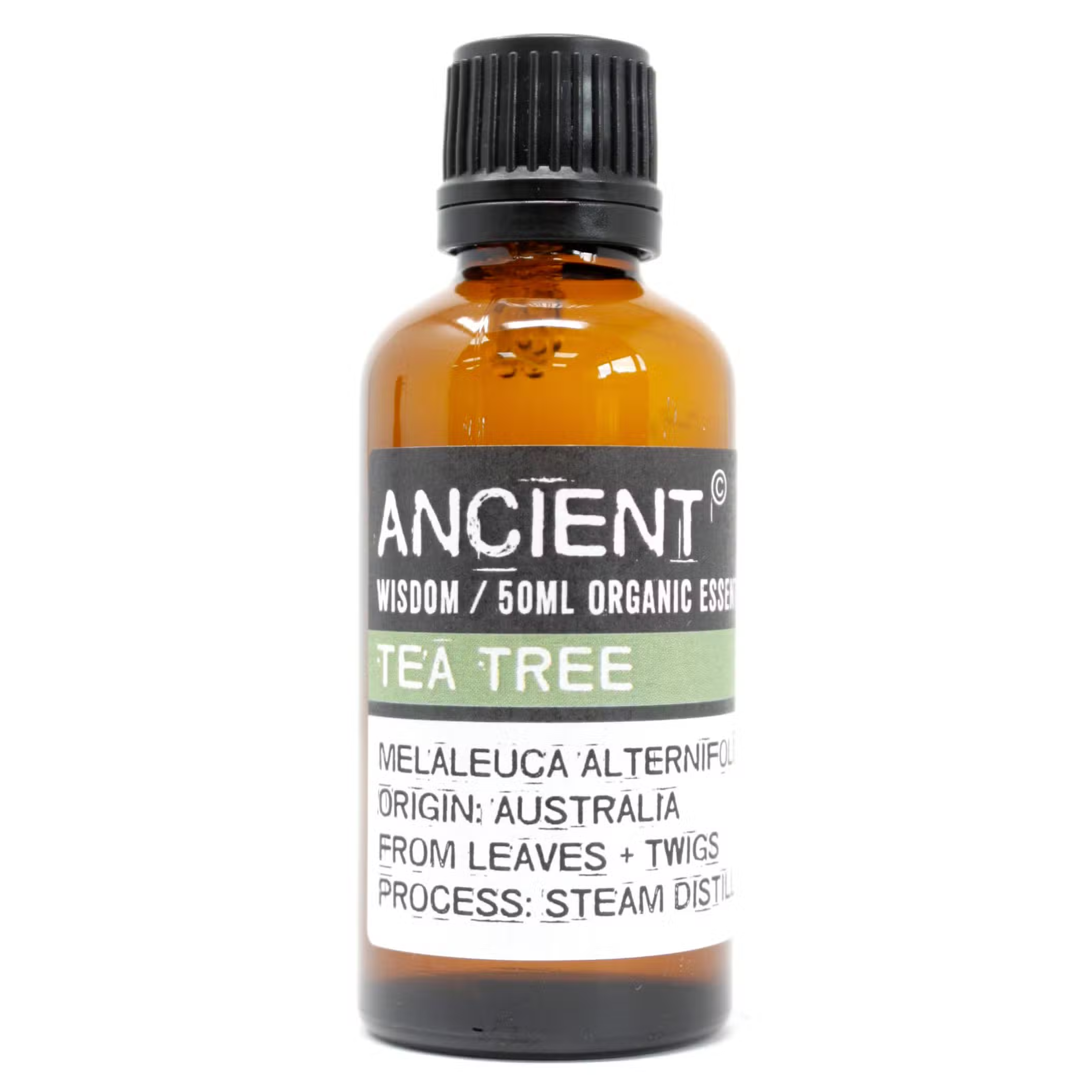
Extraction method affects scent, character and cost. Many essential oils are produced by steam distillation. Steam passes through plant material and carries volatile aromatic compounds, which are then cooled and separated into essential oil and aromatic water. Lavender, eucalyptus, peppermint, rosemary and many herbs are commonly produced this way.
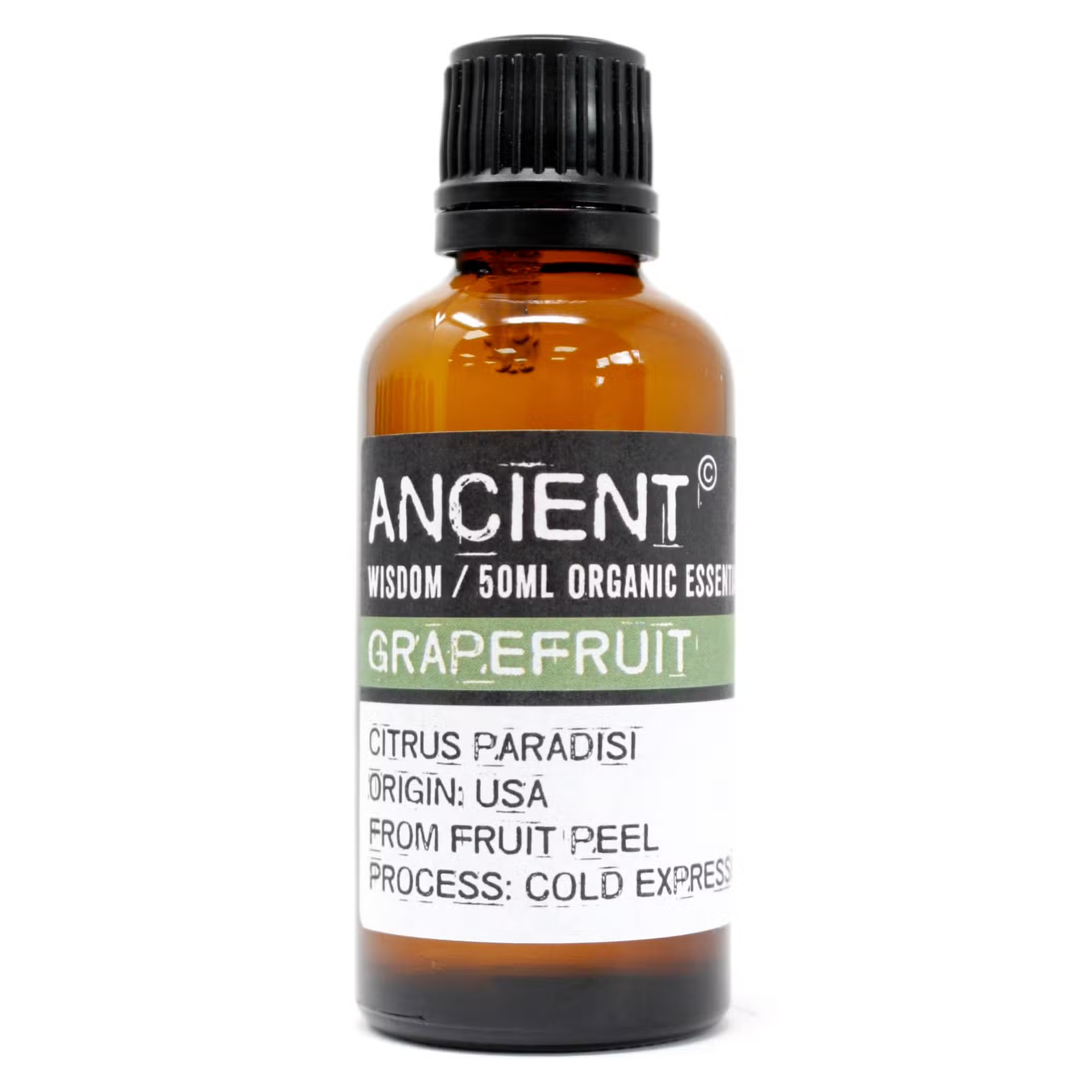
Citrus oils are often cold pressed from the peel. This method captures the bright aroma of orange, lemon, lime, grapefruit and bergamot-style oils. Because citrus oils come from peel, they can feel especially fresh and lively in a diffuser or burner.
Some delicate aromatic materials require other extraction methods. In those cases, the final product may be an absolute rather than a traditional essential oil. This is why product naming matters. A clear supplier should make it easy to understand what type of aromatic material you are buying.
Purity tells you whether the oil is true to the stated material. Quality tells you whether that material was grown, harvested, handled and stored well. Sourcing tells you how confidently you can trace the oil back to a responsible supply chain.
A product can be pure but still low quality if the plant material was poor or the oil was stored badly. A product can smell pleasant but still be unclear if the label does not explain what it contains. For the best buying decision, look at all three: purity, quality and sourcing.
If the environmental and sourcing side matters to you, the guide to Ecological Essential Oils explains why source and production standards deserve attention.
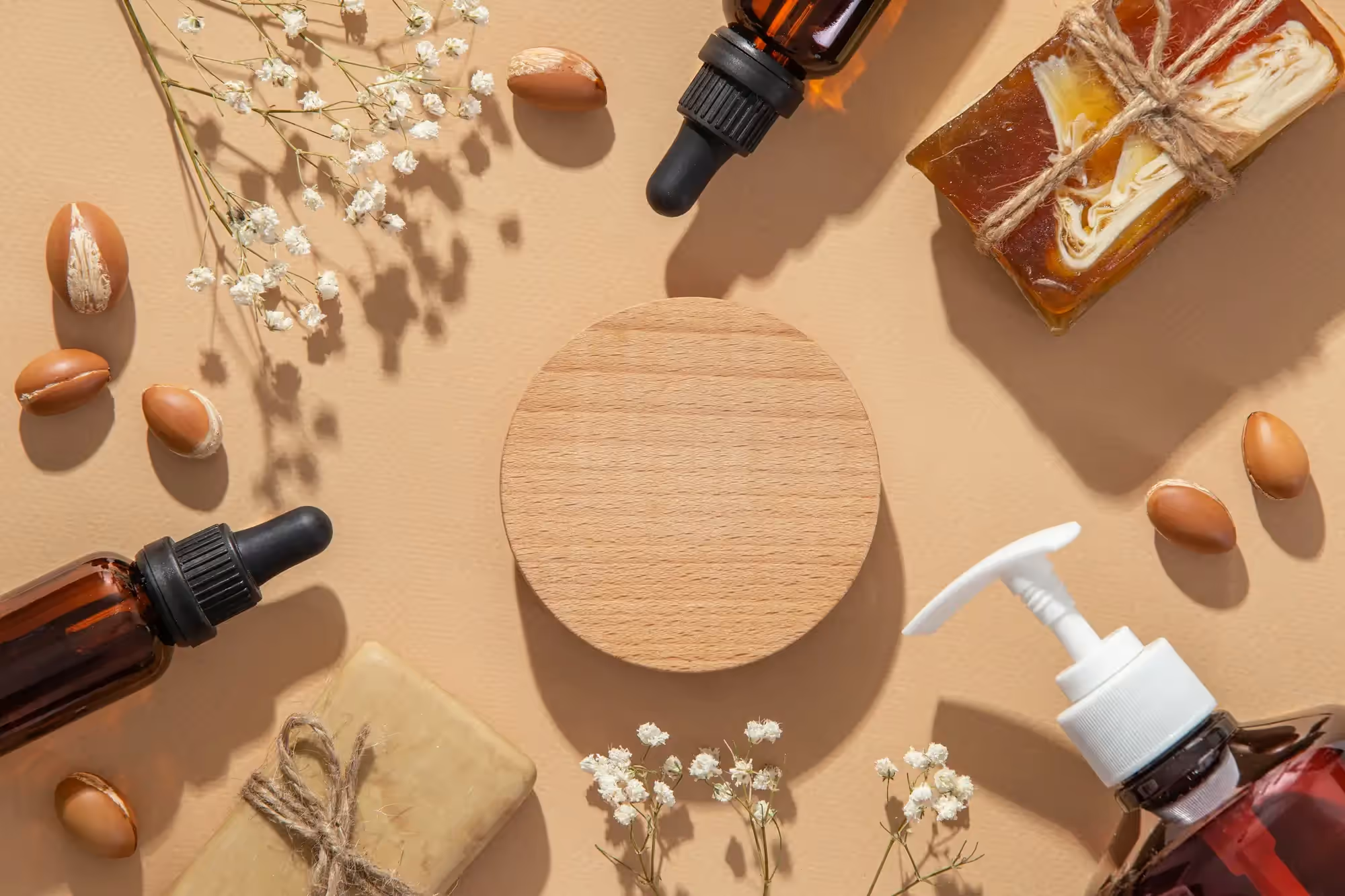
A useful label should help you understand the product quickly. Look for the common name, botanical name where available, bottle size, ingredients or blend information, usage directions, warnings and storage advice. If the product is a blend, it should be clear that it is a blend rather than a single botanical oil.
Be careful with vague phrases that sound impressive but do not explain much. “Therapeutic grade” is often used as a marketing phrase rather than a universal independent standard. Clear product information is more useful than a claim that cannot be checked.
Also check whether the oil is being sold as an undiluted essential oil or a ready-diluted product. Both can be useful, but they are not the same. An undiluted oil should be handled carefully and diluted before skin use. A ready-diluted product should tell you what carrier oil or base has been used.
Trustworthy essential oils usually have clear naming, realistic claims and practical safety guidance. The product page should not make disease claims or suggest that oils replace medical care. It should help you understand the scent, the source, the method of use and any precautions.
Price can also give clues, but it is not the only factor. Some oils are naturally more expensive because the plant yield is low or the growing and extraction process is more demanding. A very low price for a normally expensive oil should make you look more carefully at the label and supplier.
Consistency matters too. A natural oil may vary slightly between batches, but it should still smell recognisably like the material it claims to be. If a “pure” oil smells more like a perfume accord than a plant extract, check whether it might be a fragrance oil or blend instead.
Pure essential oils and fragrance oils both belong in home fragrance, but they serve different purposes. Pure essential oils are best when you want a plant-led aromatic profile. They are often chosen for diffusers, oil burners and simple botanical scent routines.
Fragrance oils are better when you want a specific scent style such as fresh linen, vanilla, amber, chocolate, sea breeze, festive spice or a perfume-like home scent. They are often more flexible for seasonal scenting, wax melts and decorative fragrance routines.
Neither category is automatically better. The right choice depends on the job. If you want lavender, eucalyptus or orange from a botanical source, choose an essential oil. If you want a cosy winter vanilla, a clean laundry note or a complex autumn fragrance, a fragrance oil may be the better tool.
For home scenting, start with familiar oils and small amounts. Lavender, sweet orange, lemon, eucalyptus, peppermint, tea tree, rosemary, cedarwood and frankincense-style oils are common starting points because their scent profiles are easy to understand.
Use fewer drops than you think you need, especially in small rooms. Essential oils are concentrated and can become overwhelming if overused. Keep the room ventilated and avoid running strong scents continuously for long periods.
If you use an Oil Burner, keep it supervised, place it on a heat-safe surface and let it cool before cleaning. If you use an electric diffuser, follow the device instructions and clean it regularly so old oil residue does not affect the scent.

Essential oils should not usually be applied directly to skin. They are concentrated and can irritate skin if used neat. If you want to use an essential oil topically, dilute it properly in a suitable Base Oil and patch test first.
The correct dilution depends on the person, the oil and the purpose. Sensitive skin, children, pregnancy, allergies and medical conditions require extra caution. Aroma Sentia content is for general home-fragrance guidance, not medical advice, so speak with a qualified professional if you are unsure whether a specific oil is appropriate for you.
For more practical safety details, read How to Use Essential Oils Safely before using oils in a new way.
A beginner set does not need to be large. Start with a fresh citrus oil, a soft floral or herbal oil, and one deeper wood or resin note. This gives you enough range for bright daytime scent, gentle evening scent and warmer room atmosphere.
For example, sweet orange or lemon can feel cheerful and fresh. Lavender or rosemary can feel familiar and herbal. Cedarwood or frankincense-style oils can add depth. Once you understand those scent families, it becomes easier to choose new oils without buying randomly.
If your goal is room-by-room scent selection, the guide to Choosing Essential Oils for Your Home gives more practical examples for kitchens, bedrooms, bathrooms and living spaces.
Storage affects how long an oil remains pleasant and usable. Keep bottles tightly closed, upright and away from heat, sunlight and moisture. Do not leave essential oils beside radiators, sunny windowsills or hot burners.
Citrus oils often have a shorter useful life than heavier wood or resin oils, so buy realistic quantities rather than oversized bottles you will not finish. If an oil changes smell dramatically, becomes cloudy unexpectedly, thickens or irritates your skin, stop using it.
Good storage protects both scent quality and safe use. It also reduces waste, especially if you build your collection gradually.
Pure essential oils are one part of a wider home fragrance routine. They work well when you want botanical scent in a diffuser or carefully used burner. They also pair well with slower routines such as evening wind-down scenting, room refreshes and simple aromatherapy rituals.
For broader home fragrance, you may also use wax melts, fragrance oils, reed diffusers or ready-made home scents. Start with the Aromatherapy & Home Fragrance category if you want to compare formats, or use the Beginner’s Guide to Home Fragrance if you are still deciding where to begin.
If you are choosing pure essential oils for the home, continue with the base oils guide, the oil burners guide and the wider diffusers, atomisers and oil burners guide.
They are different, not automatically better. Pure essential oils are best for botanical scent. Fragrance oils are better for creative scent styles such as vanilla, fresh linen, amber, sea breeze, bakery notes or seasonal home fragrance.
No. Pure essential oils are concentrated and should usually be diluted in a suitable carrier oil before skin use. Always patch test and avoid sensitive areas.
“Therapeutic grade” is often a marketing phrase rather than a universal independent standard. Clear botanical information, honest ingredient details and sensible safety guidance are more useful.
Price depends on plant yield, growing conditions, harvesting, extraction method, origin and supply. Some plants produce very little essential oil, which naturally increases cost.
Choose by use case and scent preference. For a diffuser routine, start with one familiar oil, use a small amount, and build your collection slowly once you understand how it behaves in your home.

Learn the difference between essential oils and

Explore how aromatherapy can support a calmer
Learn how to use essential oils safely

Choose seasonal fragrance oils for spring, summer,