Essential Oils vs Fragrance Oils: What’s the Difference?
Learn the difference between essential oils and

Fragrance oils, essential oils, base oils and home scent blends are easier to enjoy when the container fits the job. A beautiful scent can still become messy, wasteful or difficult to use if it is poured into the wrong bottle, paired with the wrong cap or stored in a place that does not suit the liquid.
That is why fragrance bottles and accessories are more than packaging. They help you store oils neatly, measure small amounts more carefully, prepare gifts, refill reed diffusers, make room-spray style projects and keep your home-fragrance kit organised.
Aroma Sentia’s wider Aromatherapy & Home Fragrance range includes oils, diffusers, room scents and practical tools. This guide focuses on the tools: amber bottles, clear bottles, aluminium spray bottles, droppers, roller bottles, reed sticks, diffuser flowers and the small accessories that make fragrance projects easier to handle.
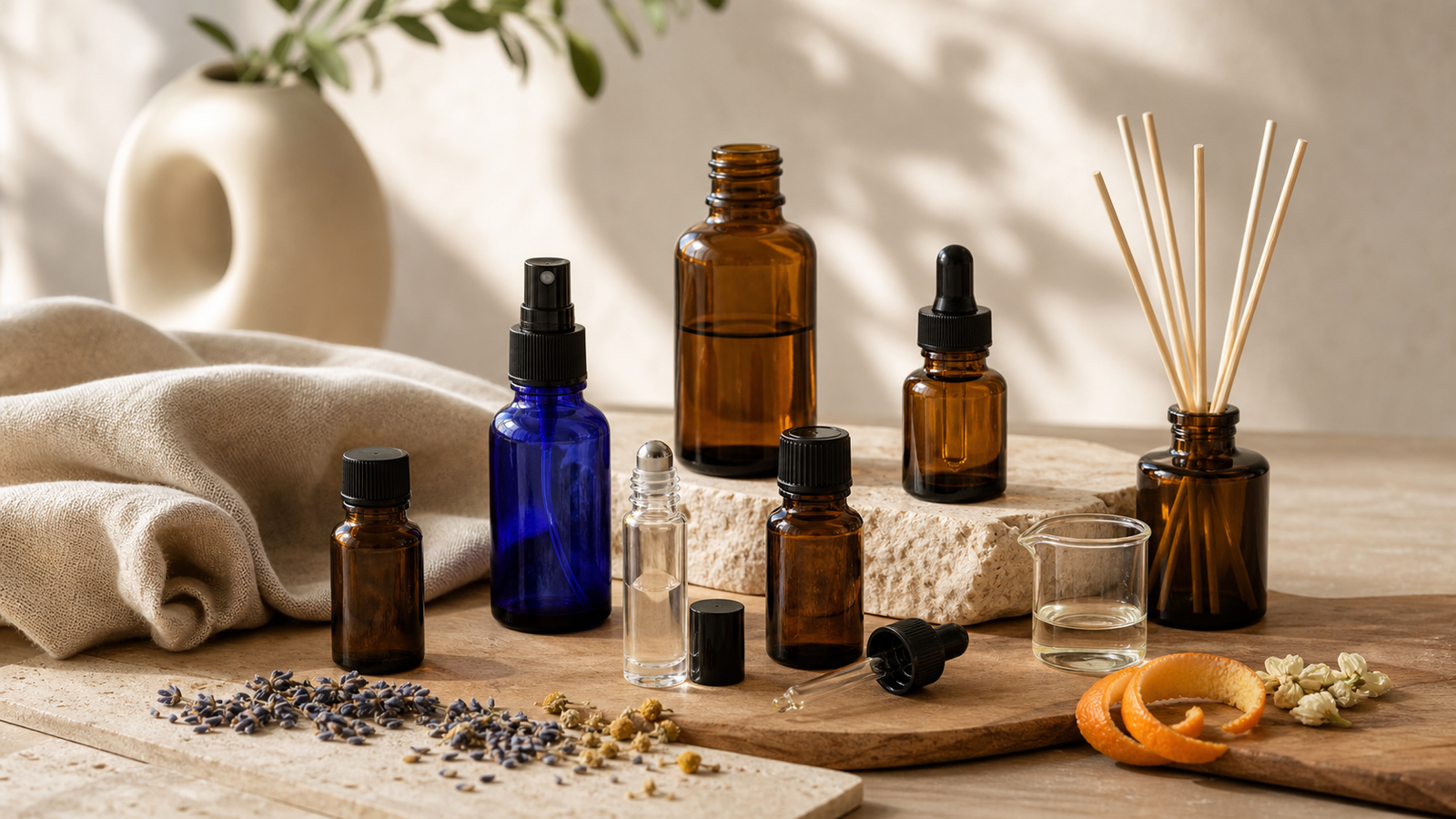
Before choosing a bottle, decide how the blend will be used. Storage, blending, spraying, rolling and reed diffusion all need different containers. A bottle that is perfect for a concentrated oil may not be the best choice for a room-spray style product. A roller bottle may be tidy for a small pre-diluted blend, but it is not useful for a diffuser refill.
If the product will be stored for longer, darker glass is usually the more practical choice. If the product needs to be sprayed, the spray head matters as much as the bottle. If you want to measure drops, a pipette or dropper cap gives more control. If you want a decorative finished diffuser, reeds, flowers and the vessel all work together.
Thinking about the job first prevents the common mistake of buying a bottle because it looks nice, then discovering it does not suit the liquid or the routine.
Amber glass bottles are one of the most useful choices for fragrance and aromatherapy supplies. The darker glass helps shield the contents from light, which is helpful when storing essential oils, fragrance oils, base oils or finished blends away from direct sun and heat.
Small amber bottles are useful for samples, test blends and travel-sized quantities. Larger amber bottles suit blends that you use often or ingredients that need a tidier storage place. Products such as Amber Bottle – 30ml and Amber Bottles – 100ml show how the same material can serve different routines depending on the size.
Amber glass also gives a more organised look to a home blending shelf. Instead of a mixture of mismatched containers, you can keep oils and blends in bottles that are easier to label, store and use consistently.
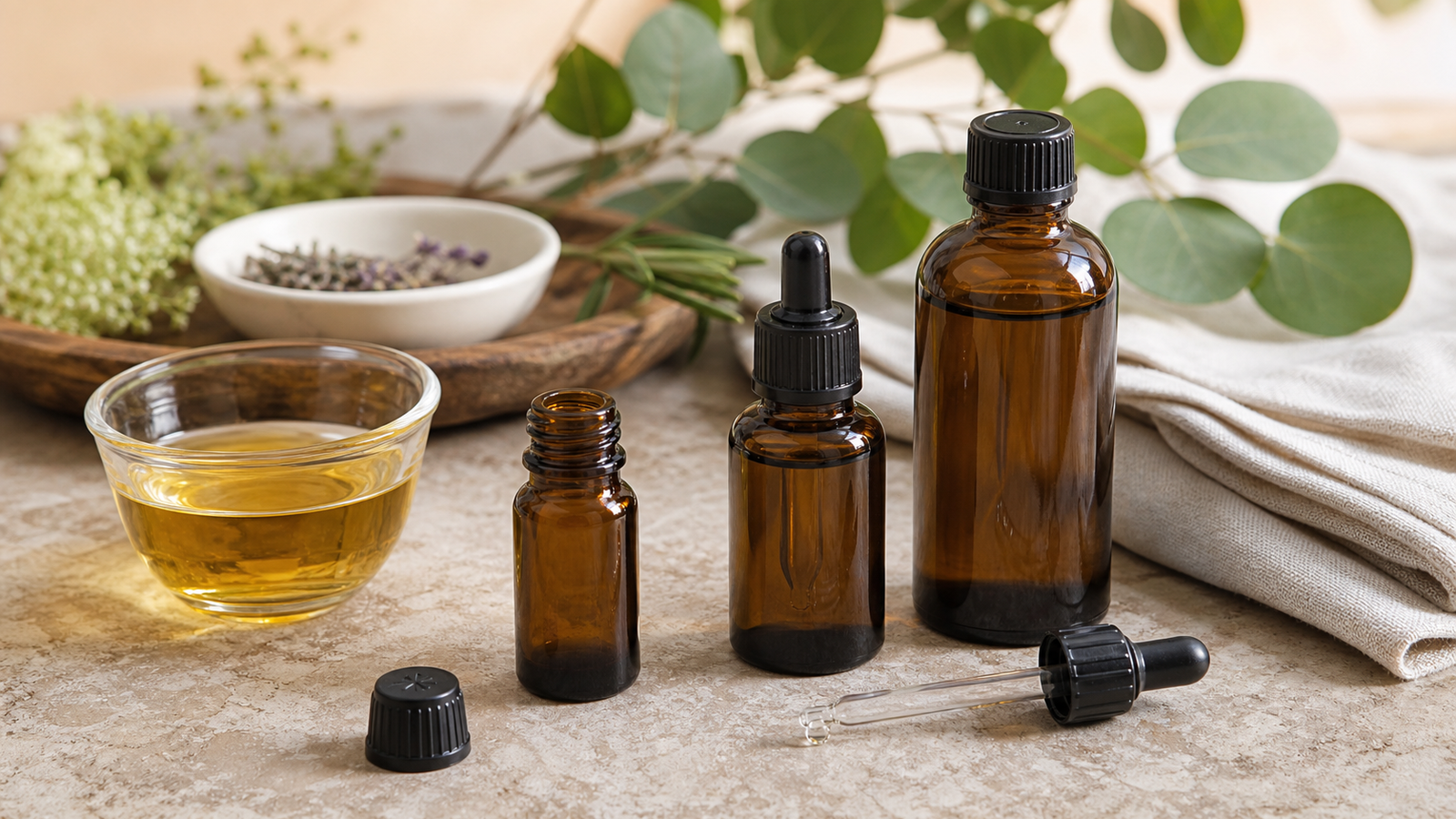
Droppers are useful when precision matters. They help you move small amounts of liquid without pouring too much at once, which is especially important when working with concentrated essential oils or strong fragrance oils.
A product such as a Pipette dropper cap for 30ml bottle is useful when you want controlled dispensing from a bottle you already plan to use. It can make blending neater, reduce spills and help you repeat a simple blend more consistently.
Droppers are not only for experienced makers. They are also helpful for beginners because they slow the process down. Instead of tipping oil directly from a bottle, you can add a small amount, check the scent strength, then adjust gradually.
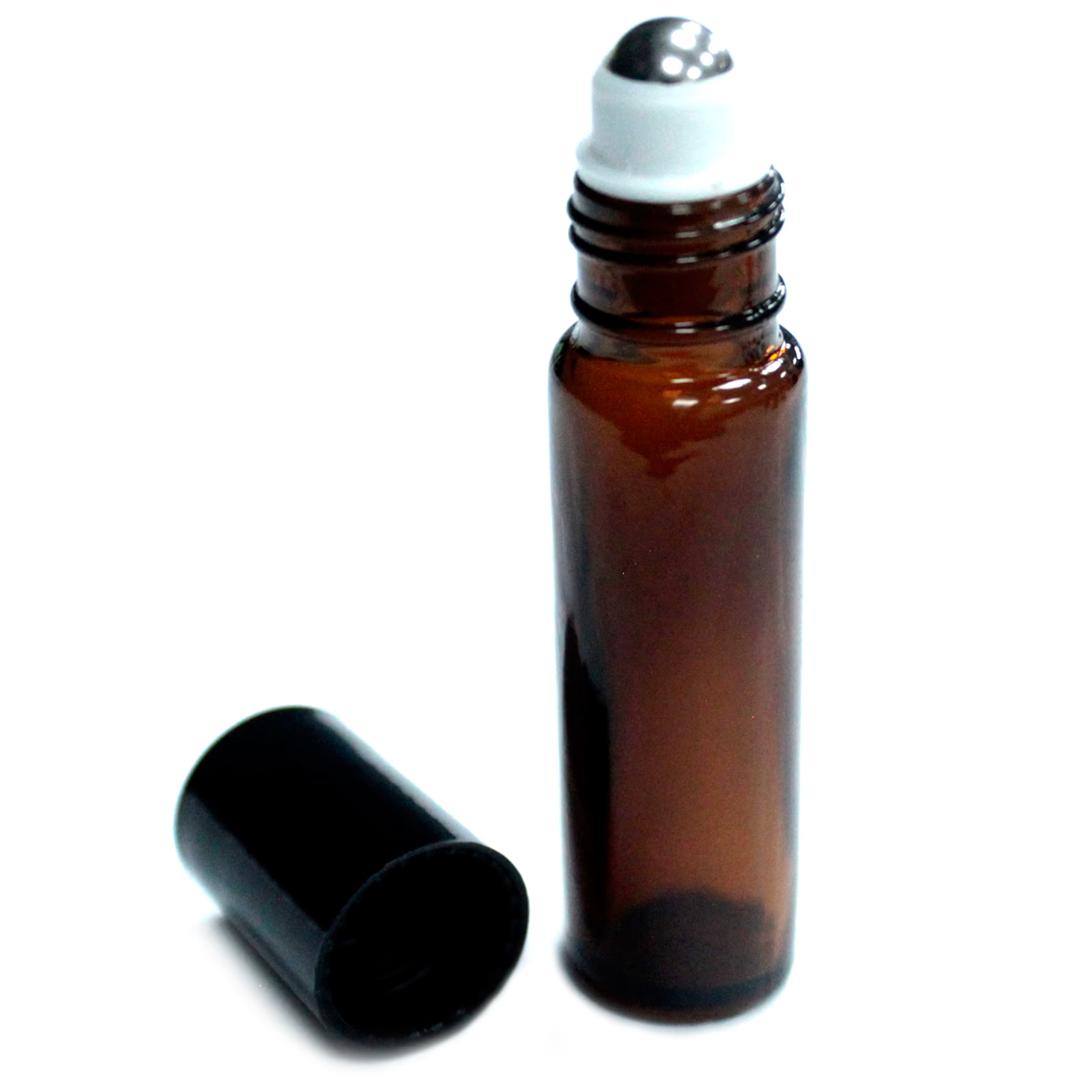
Roller bottles are designed for small, ready-to-use blends. They are useful when a blend has already been diluted properly with a suitable carrier oil, and you want a neat, portable way to apply a small amount.
An Amber Roller Bottle is a practical example because it combines darker glass with a roller-style application format. It is not the right choice for every project, but it can be helpful for small personal blends, fragrance samples or gifting when the contents are already prepared appropriately.
If you are working with essential oils for skin-contact routines, pair them with suitable base oils and keep dilution sensible. The bottle makes the blend easier to use, but it does not replace careful ingredient choice.
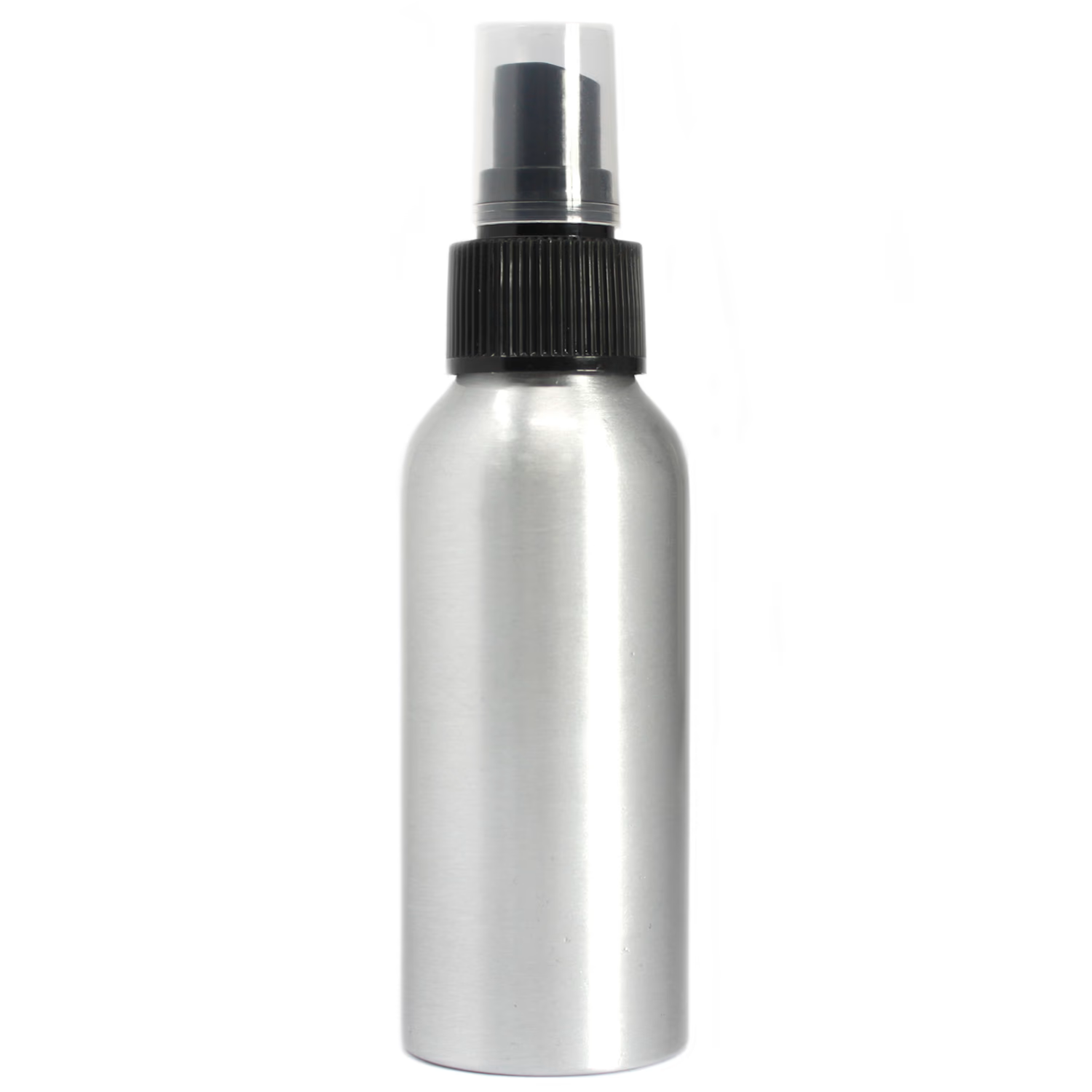
Spray-top bottles are useful when you want a light mist rather than drops. They suit room-spray style projects, linen-style fragrance ideas and other liquid blends where an even spray pattern is more useful than a pipette.
The bottle material and spray head both matter. An Aluminium Bottle with Black Spray Top – 100ml gives a different feel from amber glass: lighter, more practical and suitable for a clean utility-style setup. It can be useful when you want a bottle that looks simple and is easy to keep with other home-scent tools.
Always check that the blend you are preparing is suitable for spraying, and avoid spraying directly onto delicate surfaces, pets, food, polished wood or fabrics that may mark. Test lightly and use fragrance in a way that fits the room rather than trying to overpower it.
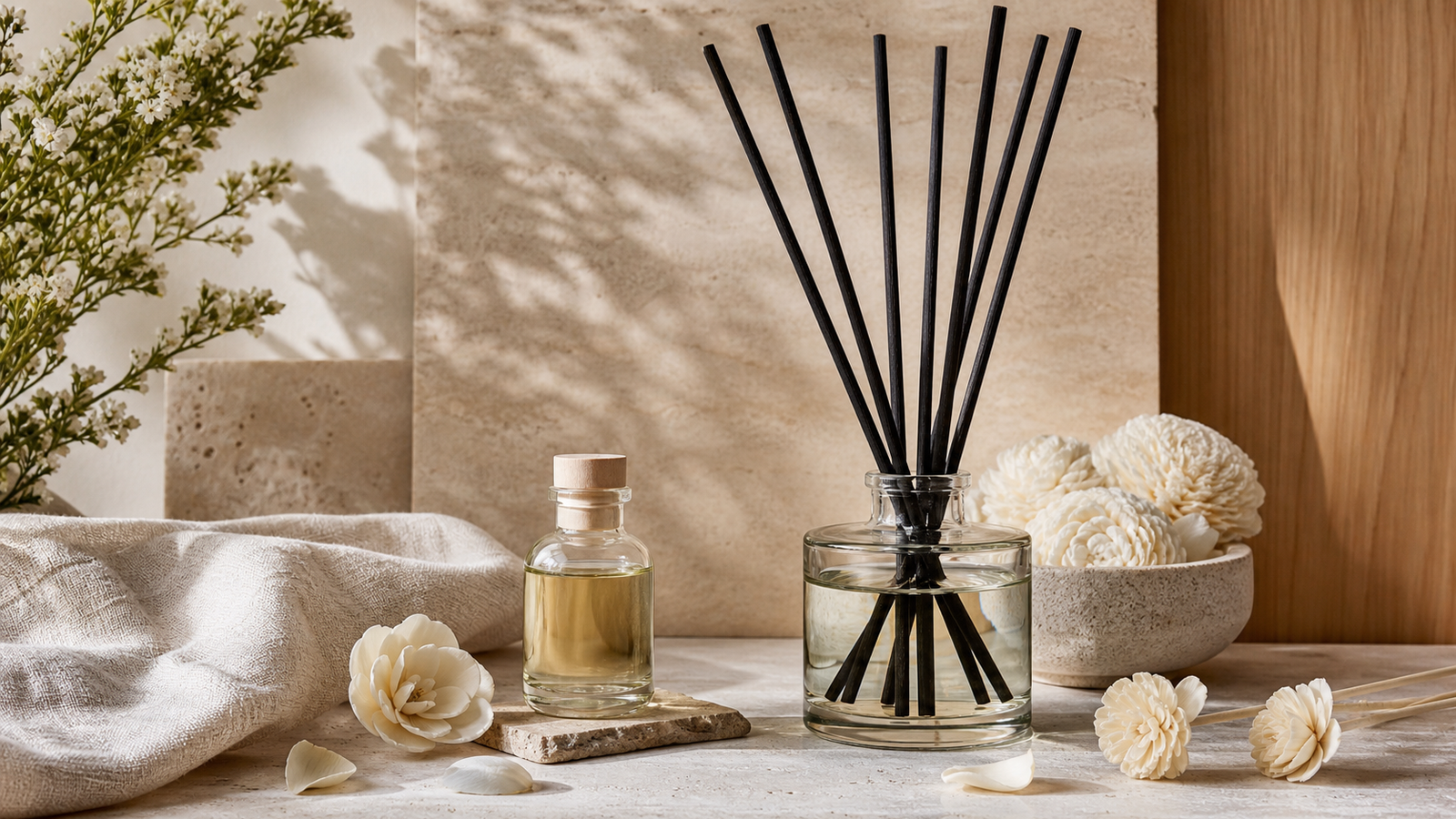
Reed diffuser accessories are useful when you want fragrance to become part of the room’s styling. Reeds and diffuser flowers are not just decorative; they affect how the finished diffuser looks and how the fragrance feels in the space.
Natural reed sticks suit simple diffuser setups, while coloured reeds or diffuser flowers can make the vessel feel more finished. Products such as Natural Diffuser Flowers – Rose on Reed show how accessories can turn a practical refill routine into something more decorative.
If you already use reed diffusers, accessories help refresh or customise the routine. Replace reeds when they become saturated, dusty or less effective, and choose the number of reeds based on room size and scent strength rather than filling the bottle as much as possible.
Fragrance oils and essential oils can both be part of home scent projects, but they do not always use the same accessories in the same way. Fragrance oils are often chosen for home fragrance, creative projects and stronger scent variety. Essential oils are concentrated botanical extracts and should be used with more care, especially where skin contact or dilution is involved.
For home fragrance projects, choose accessories based on the method. Diffuser accessories suit reed diffuser-style routines. Spray bottles suit sprayable blends. Droppers suit measuring and controlled blending. Roller bottles suit small pre-diluted blends. Amber bottles suit storage.
This practical matching step is more useful than buying accessories randomly. When the bottle, cap and use case fit together, the finished blend is easier to store, easier to use and less likely to become messy.
Good storage is simple. Keep bottles closed when not in use. Store them away from direct sunlight, strong heat and damp areas. Keep oils and fragrance materials away from children and pets. Wipe bottles after filling so the outside does not become sticky or slippery.
If you are making several blends, label them clearly for your own use. Include the date, contents and intended use. Even if the bottle has no decorative label, a small practical note can prevent confusion later.
Keep different bottle types together. Droppers, caps, rollers and spray heads are easier to manage when they have a dedicated box or tray. A tidy storage habit makes the whole home-fragrance routine feel more enjoyable and reduces waste.
Glass bottles can often be reused for similar fragrance projects if they are cleaned carefully and still close properly. This is most useful when the bottle has held a simple oil blend, fragrance oil or room-scent project that you understand clearly.
Clean the bottle, cap and accessory separately. Warm soapy water can help with general residue, while stronger lingering scent may need more than one clean and a full drying period. If the old scent remains, use the bottle only for a similar scent family or retire it from blending. A citrus note left inside a bottle can easily change a soft floral blend, and a woody fragrance can linger longer than expected.
Check closures before reuse. A spray head that clogs, a roller ball that sticks or a dropper that no longer seals can make a good blend frustrating to use. Reusing bottles is only practical when the container still feels clean, secure and suited to the new contents.
The first mistake is using one bottle type for everything. A spray bottle, roller bottle, pipette bottle and reed diffuser vessel all serve different purposes. Choosing the wrong closure can make a blend leak, dispense too quickly or feel awkward to use.
The second mistake is filling bottles too full. Leave a little room for the closure, dropper or spray tube so the bottle can be closed cleanly. Wipe the outside after filling, especially with oils, because residue on the outside of a bottle can make labels slip or surfaces feel greasy.
The third mistake is ignoring the storage location. Bottles displayed in direct sunlight may look attractive, but a cooler cupboard, drawer or shaded shelf is usually better for fragrance materials. Attractive storage still needs to be practical.
Fragrance bottles and accessories are especially useful for small gifts. A simple amber bottle, roller bottle or spray bottle can make a handmade blend feel more finished. Reed flowers or decorative accessories can make a diffuser-style gift feel more considered.
Think about how the recipient will use the item. A spray bottle is simple for a home scent gift. A roller bottle is better only when the blend is already diluted and intended for that type of use. A reed diffuser accessory set works well when the goal is decorative room fragrance rather than personal application.
For gifts, keep the scent style easy to like and avoid overcomplicating the presentation. Clean packaging, a clear label and the right closure often matter more than adding extra decoration.
For practical oil use, pair this accessories guide with the base oils guide, pure essential oils guide and essential oils vs fragrance oils guide.
Amber glass bottles are a practical choice for essential oils and concentrated blends because they help reduce light exposure. Store them closed, upright and away from heat or direct sunlight.
Use a pipette dropper when you want controlled dispensing. It is helpful for small blends, test batches and oils that should be added gradually rather than poured freely.
Roller bottles can be suitable for pre-diluted blends when the ingredients and dilution are appropriate. They should not be used as a shortcut for applying undiluted essential oils.
Reed diffuser sticks draw fragrance from the vessel and help release scent into the room. They are useful for steady background home fragrance and can be replaced when they become less effective.
Often, yes. The right bottle depends on storage, dispensing and use. Amber bottles are useful for storage, droppers for controlled blending, spray bottles for misting projects and roller bottles for small pre-diluted blends.

Learn the difference between essential oils and

Explore how aromatherapy can support a calmer
Learn how to use essential oils safely
Choose seasonal fragrance oils for spring, summer,